
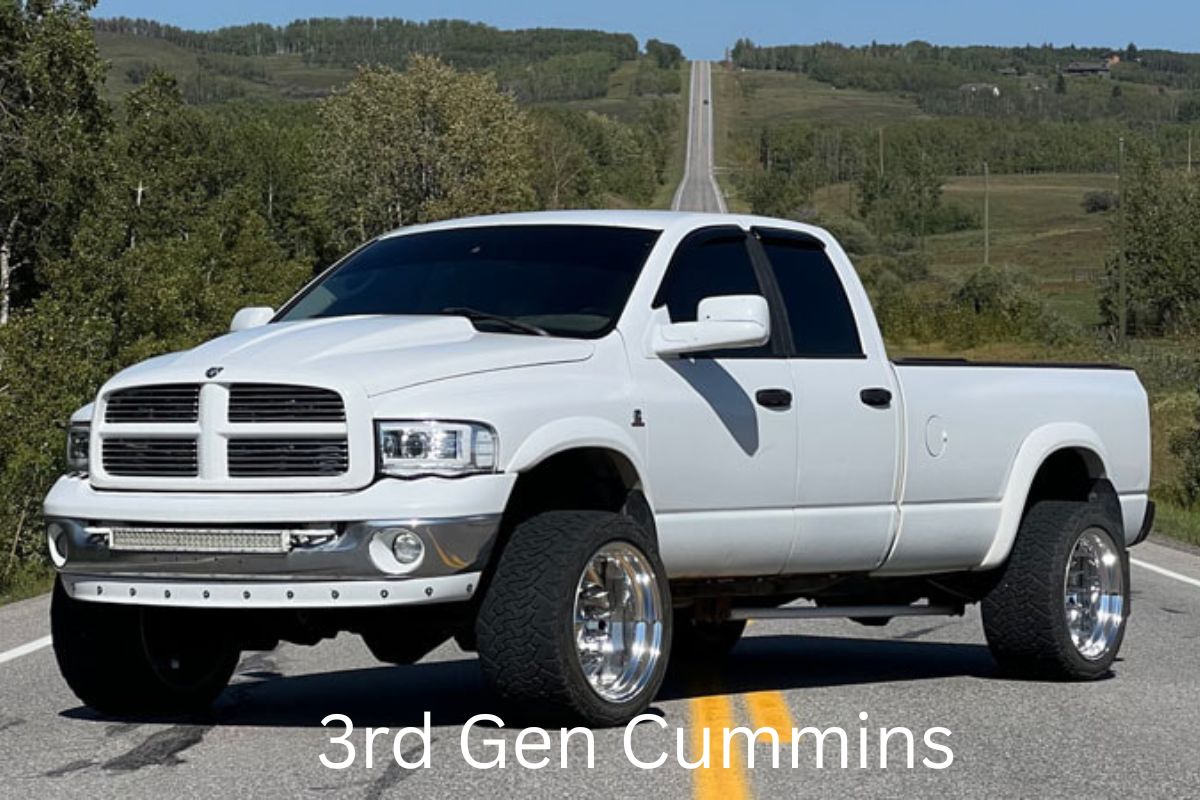
3rd Gen Cummins: The Legendary Diesel Powerhouse That Changed Everything
Introduction to the 3rd Gen Cummins
When Dodge introduced the 3rd Generation Cummins engine, it was clear the brand aimed to balance raw mechanical power with advanced electronic control. The previous generation’s mechanical systems gave way to common-rail fuel injection, marking a shift toward cleaner, more efficient, and quieter operation. This blend of old-school toughness and new-age innovation helped the 3rd Gen Cummins dominate both the roads and the worksite.
From heavy towing to high-performance tuning, the 3rd Gen Cummins offers unmatched potential for diesel enthusiasts. Its reputation is built on reliability, tunability, and longevity—qualities that keep it relevant even decades after its debut.
5.9L Cummins (2003–2007) — The Heart of the Third Generation
H3: Engine Design and Construction
The 5.9-liter inline-six engine, known internally as the ISB (Interact System B), carried over from the previous generation but underwent major refinements. Built from cast iron for both the block and head, the engine was designed to withstand extreme pressures and high cylinder temperatures. Its overbuilt nature allowed it to perform reliably under heavy towing loads and high-boost conditions.
-
Displacement: 5.9 liters (359 cubic inches)
-
Configuration: Inline-6, cast-iron block and head
-
Bore × Stroke: 4.02″ × 4.72″ (102.1 mm × 119.9 mm)
-
Compression Ratio: Approximately 17.2:1
These numbers reflect an engine that prioritizes torque, thermal efficiency, and durability.
Fuel System Innovation
One of the biggest leaps in the 3rd Gen Cummins was the introduction of the Bosch CP3 high-pressure common-rail fuel system. This setup allowed precise electronic control of fuel delivery, leading to better fuel economy, smoother operation, and lower emissions compared to the older VP44 pump.
The common-rail system also opened the door for significant performance tuning. With the right upgrades, owners could increase power far beyond factory levels while maintaining reliability — something earlier systems struggled to achieve.
Turbocharging and Airflow
The turbo setup evolved during the 3rd Gen’s production:
-
2003 models featured the Holset HE341CW turbocharger — a fixed-geometry design that offered excellent throttle response and reliability.
-
2004.5–2007 models upgraded to the Holset HE351CW, which included an electronically controlled wastegate to improve boost efficiency and emissions performance.
These changes improved throttle control, reduced turbo lag, and helped meet tightening emission standards while preserving the engine’s robust performance character.
Power and Torque Ratings
Depending on the year and truck model, the 5.9L Cummins produced impressive figures:
-
2003 High Output version: 305 horsepower and 555 lb-ft of torque
-
2004.5–2007 models: 325 horsepower and 610 lb-ft of torque
Even by modern standards, these numbers are competitive. The 3rd Gen Cummins delivers strong low-end torque, perfect for towing, hauling, or off-road applications.
6.7L Cummins (2007½ and Beyond)
A New Era of Emissions and Performance
In mid-2007, Cummins launched the 6.7-liter version of this engine to meet stricter emissions requirements. While it technically overlaps the 3rd Generation era, it introduced features like EGR (Exhaust Gas Recirculation) and DPF (Diesel Particulate Filter) systems.
-
Displacement: 6.7 liters
-
Horsepower: Around 350 hp
-
Torque: Up to 650 lb-ft
This version continued the legacy of the 5.9L but added emission controls that some owners later modified or deleted to regain performance. Despite the added complexity, the 6.7L kept Cummins’ reputation strong for power and dependability.
Reliability and Durability
Built to Last
The 3rd Gen Cummins is often praised for its ability to exceed 500,000 miles with proper maintenance. Its heavy-duty construction, simple design, and robust internals make it nearly indestructible under normal use. Common maintenance tasks include fuel filter changes, valve adjustments, and monitoring the injection pump for wear.
Common Issues
No engine is perfect, and the 3rd Gen Cummins has its share of quirks. Some of the most common issues include:
-
Injector failure from contaminated fuel or worn seals
-
Lift pump weakness, which can starve the CP3 pump if not upgraded
-
Turbo wear after long periods of heavy towing
These are generally minor concerns compared to the engine’s overall reputation for toughness.
Why Enthusiasts Love the 3rd Gen Cummins
Tunability and Aftermarket Support
The 3rd Gen Cummins is a tuner’s dream. Its common-rail system allows for precise performance tuning, supporting massive horsepower gains with the right injectors, turbo, and ECU programming. Aftermarket parts are widely available — from upgraded fuel pumps to compound turbo setups.
Legendary Towing Capability
With its high torque output and efficient gearing, trucks equipped with the 3rd Gen Cummins can handle heavy loads effortlessly. Whether pulling a trailer, hauling equipment, or driving up steep grades, the engine delivers power smoothly and consistently.
Long-Term Value
Even today, used trucks powered by the 3rd Gen Cummins hold strong resale value. Buyers know these engines can run for decades with proper care. Many owners describe them as “the last truly simple diesel,” before emissions systems and electronics became overly complex.
Conclusion
The 3rd Gen Cummins stands as a perfect blend of strength, efficiency, and innovation. Its combination of mechanical durability and electronic precision changed the diesel landscape forever. From 2003 to 2007, it set new standards for torque, towing, and longevity — and its legacy continues among truck enthusiasts today.
For those seeking a diesel engine that balances power, simplicity, and reliability, the 3rd Gen Cummins remains one of the most iconic and dependable choices ever built.