
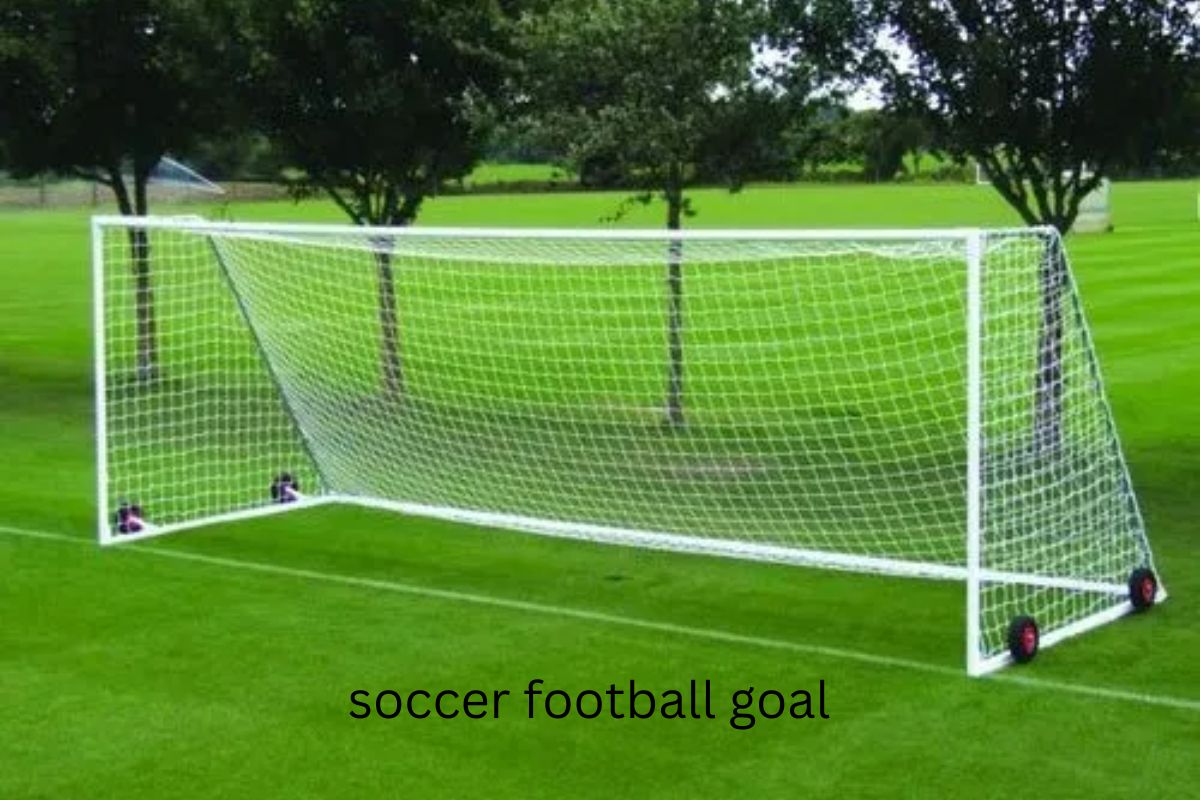
Soccer Football Goal: The Ultimate Guide to Understanding the Game’s Iconic Target
Soccer, also known as football in most parts of the world, is the world’s most popular sport. At the heart of every game is one crucial element — the soccer football goal. Without goals, soccer would lose its essence, as scoring is the ultimate objective for every team and player. In this article, we’ll dive deep into the details of soccer football goals, exploring their design, history, types, importance, and how they shape the beautiful game.
The Importance of the Soccer Football Goal
A soccer football goal is more than just two posts and a crossbar. It is the ultimate target, the symbol of victory, and the centerpiece of every match. Goals determine the pace of the game, motivate players, and thrill spectators. The excitement of soccer largely revolves around that one magical moment when the ball hits the back of the net.
Scoring a goal is not just about accuracy; it’s a combination of teamwork, strategy, and skill. Every soccer player, whether a striker or defender, dreams of contributing to goals — either by scoring or preventing them.
The Standard Dimensions of a Soccer Football Goal
Official Measurements
According to the International Football Association Board (IFAB), the governing body that sets soccer rules, a regulation soccer goal has:
-
Width: 24 feet (7.32 meters)
-
Height: 8 feet (2.44 meters)
-
Depth: The depth varies but typically ranges between 4 to 10 feet to provide space for the net.
These measurements are standardized across professional matches worldwide, ensuring fairness in competitions.
Goalposts and Crossbar
Soccer goalposts are made from durable materials like aluminum or steel, ensuring they withstand high-impact shots. The crossbar connects the two goalposts, forming a rectangular frame. The frame is painted white for visibility, a standard that helps players, referees, and spectators see it clearly.
Types of Soccer Football Goals
H3: Full-Size Goals
These are the standard goals used in professional matches. They are perfect for competitive leagues, international tournaments, and professional training.
H3: Youth Goals
For younger players, soccer football goals are designed smaller to match their skill levels and physical abilities. These typically range from 12×6 feet to 18×6 feet.
H3: Portable Goals
Portable soccer goals are lightweight and easy to set up, making them ideal for practice sessions, schools, or casual matches. They are often made from aluminum or strong fiberglass materials.
H3: Training Goals
Training goals are used to improve accuracy, shooting techniques, and goalkeeping skills. These may include rebounders or pop-up goals that can be quickly assembled and stored.
The Evolution of the Soccer Football Goal
Early Days of Soccer Goals
Soccer, which dates back to the 19th century, did not originally have nets. Early goals consisted of two wooden posts with no crossbar or net. This often led to disputes, as referees had difficulty determining whether the ball crossed between the posts.
Introduction of Nets
In 1891, the first soccer goal nets were introduced. Nets revolutionized the game by making it easier to confirm goals and reducing disputes. Over time, netting technology improved, with high-tension nets designed to absorb powerful shots.
Materials Used in Soccer Football Goals
Goal Frame
Modern soccer goal frames are built to endure intense play and harsh weather. Common materials include:
-
Aluminum: Lightweight yet durable, ideal for portability.
-
Steel: Extremely strong, commonly used in professional stadiums.
-
Fiberglass: Lightweight and flexible, perfect for youth and training goals.
Nets
Soccer goal nets are made from synthetic fibers like polyethylene or nylon. They are weather-resistant and designed to handle repeated impacts.
How to Choose the Best Soccer Football Goal
When selecting a goal, consider the following factors:
-
Purpose: Is it for training, professional matches, or recreational play?
-
Size: Match the goal size to the players’ age and skill level.
-
Portability: Choose foldable or lightweight goals for easy transport.
-
Durability: Opt for weatherproof materials for long-term use.
-
Budget: Goals range from affordable backyard versions to professional-grade equipment.
The Role of the Goalkeeper
No discussion about soccer goals is complete without mentioning goalkeepers. The goalkeeper’s job is to defend the net, making them one of the most critical players on the field. They use agility, reflexes, and positioning to prevent goals, often turning matches into nail-biting spectacles.
Related Keywords and Their Relevance
When discussing soccer football goals, it’s essential to understand related terms:
-
Soccer goalpost: The structure forming the goal frame.
-
Football net: The netting attached to the frame that catches the ball.
-
Soccer training goal: Smaller goals used for practice drills.
-
Goalkeeper area: The designated area around the goal where goalkeepers can handle the ball.
-
Portable soccer goal: Lightweight, foldable goals for easy transport.
These terms are frequently searched by coaches, players, and soccer enthusiasts, making them essential for ranking well on search engines.
Fun Facts About Soccer Goals
-
The fastest recorded soccer goal was scored in just 2.4 seconds after kickoff.
-
Some stadiums have retractable goals to optimize field space for other sports.
-
In beach soccer, goals are much smaller (5.5×2.2 meters) to match the slower pace of the game.
Conclusion
The soccer football goal is much more than a piece of equipment; it is the heart of the game. From its evolution in the 19th century to modern innovations, goals have become an essential part of soccer culture worldwide. Understanding goal dimensions, types, and construction can help players, coaches, and fans appreciate the sport on a deeper level. Whether you’re a professional athlete or a weekend player, the thrill of scoring or saving a goal is unmatched.