
Cricket Cricket Wicket: The Heart of the Game Explained
Cricket Cricket Wicket is a game deeply rooted in tradition, strategy, and skill, and one of its most significant elements is the cricket cricket wicket. Often referred to simply as a wicket, this term has multiple meanings within the game, symbolizing both the physical stumps and bails as well as the act of dismissing a batter. Understanding the wicket is crucial for players, fans, and aspiring cricketers because it is central to gameplay, scoring, and strategy.
The wicket is not just a set of stumps on the pitch—it is the very essence of cricket. From legendary fast bowlers demolishing stumps to crafty spinners deceiving batters, wickets define the flow and excitement of a match. Let’s explore everything about this vital part of cricket.
What is a Cricket Cricket Wicket?
The Physical Structure of a Wicket
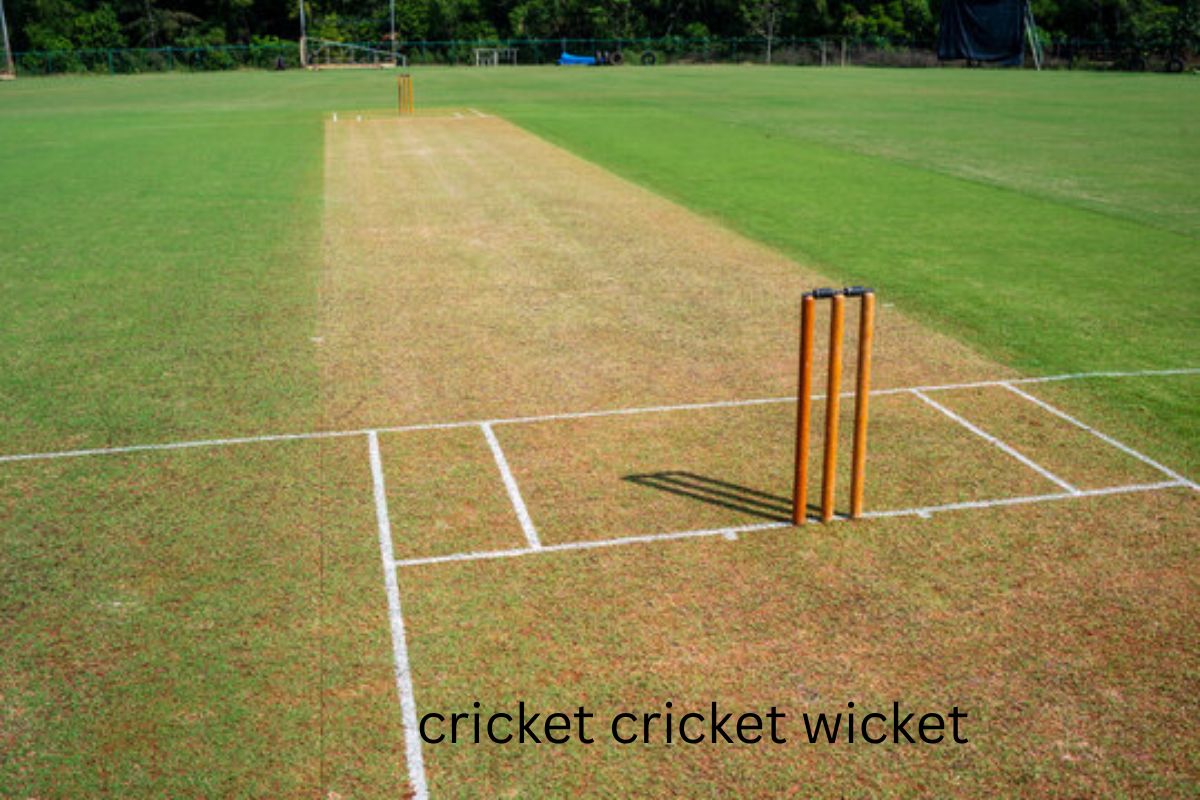
At its core, a cricket wicket consists of three vertical wooden stumps topped with two small bails. These stumps are placed at both ends of the 22-yard pitch, forming two wickets on the field. Each stump is typically 28 inches tall, and the bails rest delicately on top, making them easy to dislodge when the ball strikes.
Dimensions and Setup
-
Number of Stumps: Three per wicket
-
Bails: Two lightweight wooden pieces
-
Width of Wicket: 9 inches
-
Height of Stumps: 28 inches
These precise measurements ensure fairness in the game and provide consistency at all levels, from local matches to international tournaments.
The Different Meanings of “Wicket”
Cricket’s terminology can be tricky, and the term “wicket” carries more than one meaning:
-
The Physical Wicket – Referring to the stumps and bails at either end of the pitch.
-
A Batter’s Dismissal – When a player is out, commentators often say “a wicket has fallen.”
-
The Pitch Surface – In some contexts, “wicket” is used to describe the playing surface itself, particularly in terms of its condition.
This versatility makes “wicket” one of cricket’s most frequently used terms, showing its importance in every match situation.
How a Batter Can Lose Their Wicket
Common Ways of Getting Out
In cricket, a batter’s goal is to protect their wicket while scoring runs. Bowlers and fielders, on the other hand, aim to dismiss the batter. Here are some common ways a wicket can fall:
Bowled
When the ball strikes the stumps and dislodges the bails, the batter is bowled out. This is one of the most satisfying dismissals for a bowler.
Caught
If a fielder catches the ball on the full after it has been struck by the batter’s bat, the batter is out caught.
Leg Before Wicket (LBW)
If the ball hits the batter’s leg in line with the stumps and would have hit the wicket, they can be given out LBW.
Run Out
A batter is run out if a fielder breaks the stumps with the ball before the batter reaches their crease while attempting a run.
Stumped
When a batter steps out of their crease and the wicketkeeper removes the bails, it is called being stumped.
The Role of the Wicket in Bowling
Fast Bowlers and the Wicket
Fast bowlers aim to hit the stumps with sheer pace or movement off the pitch. A swinging or seaming delivery that sends the bails flying is a spectacular sight and a key goal for pacers.
Spinners and the Wicket
Spin bowlers use guile, flight, and spin to deceive batters. For spinners, hitting the wicket is often about precision and accuracy, forcing batters to make mistakes.
The Wicket and the Pitch Condition
The term “wicket” also refers to the playing surface. The condition of the wicket can significantly affect gameplay:
-
Green Wicket: Offers assistance to fast bowlers with seam movement.
-
Dry or Cracked Wicket: Helps spin bowlers as the ball grips the surface.
-
Flat Wicket: Favors batters, making it easier to score runs.
Understanding the nature of the wicket is essential for captains when deciding team strategy, bowling plans, and batting orders.
Wickets in Match Strategy
Batting Strategy
Batters are taught to protect their wickets at all costs while building an innings. Losing early wickets can put immense pressure on a team, so partnerships and defensive techniques are crucial.
Bowling Strategy
Bowlers are constantly searching for wickets to disrupt the batting lineup. Taking regular wickets keeps the batting side from building momentum. Captains often set attacking fields to maximize wicket-taking opportunities.
Famous Wicket Moments in Cricket History
Throughout cricket’s history, wickets have created unforgettable moments. Whether it was Shane Warne’s “Ball of the Century,” where the ball spun sharply to hit the stumps, or Shoaib Akhtar’s thunderbolts shattering wickets at over 100 mph, wickets symbolize the drama and thrill of the game.
Related Keywords to Cricket Cricket Wicket
-
Cricket stumps and bails
-
Types of wickets in cricket
-
How to get wickets in cricket
-
Bowling techniques for wickets
-
Cricket pitch and wicket conditions
-
Cricket wicket rules and dimensions
Including these related keywords ensures comprehensive understanding and SEO optimization for better search engine ranking.
The Importance of Wickets in Match Results
In cricket, the number of wickets lost or taken often determines the flow of the match. Teams celebrate wickets because they shift momentum, while batters work tirelessly to defend theirs. Whether in Test cricket, One Day Internationals, or T20s, wickets are central to every format.
Conclusion
The cricket cricket wicket is more than just three stumps and two bails. It represents the heart of the game, influencing strategy, drama, and outcomes. Whether you’re a fan, a budding player, or a seasoned cricketer, understanding the nuances of wickets adds depth to your love of the sport. From its physical structure to its symbolic significance, the wicket stands as a timeless icon of cricket.