

Matthew Rutledge: Exploring the Economics of Retirement, Labor, and Aging
Introduction
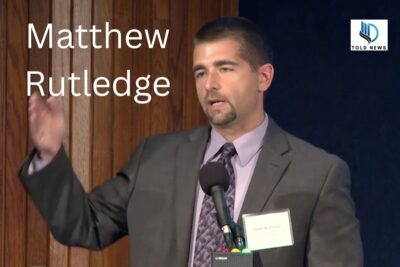
Matthew Rutledge is a respected American economist known for his extensive research on retirement behavior, labor market trends among older workers, and the evolving structure of social insurance systems in the United States. As a Professor of the Practice at Boston College and a research fellow at the Center for Retirement Research (CRR), Rutledge has made a significant contribution to understanding how individuals approach work, savings, and health as they age. His work bridges the gap between academic theory and public policy, offering insights that influence how policymakers, employers, and workers navigate the economic realities of aging populations.
Who Is Matthew Rutledge?
Academic Background
Matthew Rutledge completed his undergraduate studies at Boston College, where his passion for economics and public policy began. He later earned his Ph.D. in Economics from the University of Michigan, specializing in labor economics, health economics, and public finance. His academic training laid a solid foundation for his career-long focus on the intersection of economics, social welfare, and aging.
Professional Career
Currently, Matthew Rutledge serves as a Professor of the Practice in the Department of Economics at Boston College. In addition, he is an affiliated researcher at the Center for Retirement Research (CRR) at Boston College, one of the nation’s leading institutions for retirement policy analysis. His dual role as an educator and researcher enables him to merge real-world data with academic theory, helping shape future economic policies and inform public understanding of retirement issues.
Research Focus and Key Contributions
Retirement Decision-Making
A central theme in Rutledge’s work is understanding how and why individuals decide when to retire. His research often explores the financial, health, and policy factors that influence retirement timing. By analyzing data from Social Security records, employer retirement plans, and national surveys, Rutledge has helped reveal the complexity behind retirement decisions. His studies show that factors such as health insurance coverage, pension design, and job flexibility play crucial roles in shaping retirement outcomes.
The Labor Market for Older Workers
Rutledge’s research also examines how older Americans interact with the labor market. As people live longer and remain healthier, many choose to work beyond the traditional retirement age. Rutledge has investigated how employers and policies can better support older workers, including part-time, flexible, and nontraditional job arrangements. His findings highlight the economic and social benefits of extending working lives while recognizing the challenges faced by older employees in adapting to changing work environments.
Social Security and Public Policy
Another cornerstone of Rutledge’s research is his analysis of the Social Security system. He evaluates how policy changes, such as adjustments to benefit formulas or eligibility ages, affect retirement behavior and financial well-being. His work provides valuable evidence to policymakers considering reforms to ensure long-term sustainability of the Social Security system without compromising fairness or adequacy for retirees.
Pensions and Retirement Savings
Rutledge has contributed significantly to understanding pension coverage and savings behavior. His studies on defined-benefit and defined-contribution plans show how shifting from employer-guaranteed pensions to employee-managed savings accounts has transformed retirement security in America. He emphasizes the importance of financial literacy, automatic enrollment, and employer incentives in encouraging better retirement preparation among workers.
Impact on Public Policy and Society
Influence on Retirement Research
Matthew Rutledge’s studies have been widely cited by government agencies, research institutions, and policymakers. His empirical work has deepened understanding of the aging workforce and provided crucial data for shaping retirement-related legislation. Through his role at the CRR, Rutledge contributes to reports that inform policymakers about the effects of changing demographics, economic trends, and health systems on older Americans.
Education and Mentorship
As a professor, Rutledge plays an essential role in educating the next generation of economists and policymakers. His courses at Boston College focus on topics such as microeconomic theory, public policy, and the economics of aging. His teaching style blends academic rigor with real-world applications, inspiring students to engage critically with pressing economic issues.
Public Engagement
Beyond academia, Rutledge participates in public discussions about retirement and economic security. His insights are often featured in policy briefs, media interviews, and public lectures, making complex economic concepts accessible to general audiences. By translating research into practical understanding, he helps bridge the gap between data and decision-making.
Notable Research Works
Work, Health, and Aging
One of Rutledge’s notable studies explores how health status affects retirement timing and job transitions. He finds that individuals in poor health often retire earlier, while those with access to flexible work arrangements are more likely to remain employed longer. This research underscores the importance of workplace accommodations and health insurance in supporting older workers.
The Role of Nontraditional Employment
In an era of gig economy and freelance work, Rutledge has analyzed how nontraditional jobs affect retirement readiness. His findings suggest that while flexible work can help older individuals stay active in the labor market, these positions often lack benefits like retirement savings plans and health coverage, potentially leading to financial insecurity later in life.
Financial Preparedness and Inequality
Rutledge has also investigated how income disparities, student debt, and family responsibilities impact retirement savings. His research reveals that lower-income households, women, and minorities face unique challenges in building sufficient retirement wealth. He advocates for targeted policy interventions that promote equitable access to savings tools and financial education.
Recognition and Influence
Matthew Rutledge is widely recognized within academic and policy circles for his rigorous research methodology and balanced approach to economic analysis. His work is frequently cited in scholarly journals and government reports. He has become a trusted voice on retirement security, labor dynamics, and economic policy related to aging populations. His commitment to evidence-based policy makes him an influential figure in shaping discussions on the future of work and retirement in the United States.
Conclusion
Matthew Rutledge’s career exemplifies the power of research to inform public understanding and policy decisions. Through his roles at Boston College and the Center for Retirement Research, he continues to shed light on critical issues surrounding retirement, aging, and economic well-being. His studies have not only advanced academic knowledge but have also influenced real-world solutions for workers, employers, and policymakers alike.
In a time when economic stability and retirement security are more important than ever, Matthew Rutledge’s work stands as a guiding resource for building a more sustainable and equitable future for all generations.