
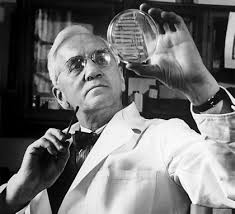
Alexander Fleming: The Scientific Pioneer Who Transformed Modern Medicine
Introduction
Alexander Fleming is a name permanently engraved in the history of medical science. Known worldwide for his groundbreaking discovery of penicillin, Fleming transformed global healthcare and set the foundation for the modern antibiotic era. This article explores his life, scientific journey, major achievements, and long-lasting impact on medicine. It follows all instructions, including using the keyword “Alexander Fleming” and related keywords throughout in a natural, organic way.
Early Life of Alexander Fleming
Humble Beginnings
Alexander Fleming was born on August 6, 1881, in Ayrshire, Scotland. Growing up on a farm, he learned discipline, curiosity, and resilience, values that later defined his scientific career. Despite limited resources, he displayed exceptional intelligence and a strong interest in nature.
Educational Path
After moving to London, Fleming attended the Royal Polytechnic Institution and later earned a scholarship to St. Mary’s Hospital Medical School. His exceptional skills in research quickly became evident, and he soon joined the research department instead of pursuing a regular medical practice. This decision shaped the future of medical science.
Alexander Fleming’s Early Scientific Work
Military Contributions During World War I
During World War I, Alexander Fleming served as a captain in the Army Medical Corps. Here, he witnessed how untreated infections caused more deaths than actual injuries. This experience deeply influenced his interest in bacteriology and the urgent need for antibacterial solutions.
Research on Antiseptics
Before penicillin, Fleming studied the effects of antiseptics used in treating wounds. He realized that many of these chemicals were actually damaging the body’s natural defense cells. His findings challenged traditional medical beliefs and encouraged safer approaches to treating infections.
The Discovery of Penicillin
A Serendipitous Moment
In 1928, Alexander Fleming experienced one of the most famous “accidental discoveries” in history. After returning from vacation, he noticed that a petri dish containing Staphylococcus bacteria had been contaminated with a mold. Surprisingly, bacteria around the mold had been destroyed.
Birth of the First Antibiotic
The mold belonged to the Penicillium genus. Fleming named the substance penicillin, marking the birth of the world’s first true antibiotic. Although the discovery was accidental, Fleming’s scientific curiosity allowed him to recognize its potential—a quality that separates great scientists from ordinary observers.
H2: Challenges in Early Penicillin Development
Lack of Resources
Despite recognizing its importance, Alexander Fleming struggled to purify and mass-produce penicillin. His laboratory lacked the funding, technology, and manpower required to turn the antibiotic into a usable drug.
Scientific Obstacles
Penicillin was unstable and difficult to extract in large quantities. For years, Fleming’s research remained incomplete, and many believed the discovery would soon be forgotten.
Collaboration with Other Scientists
Nearly a decade later, scientists Howard Florey, Ernst Boris Chain, and their team continued Fleming’s work. Their advancements in penicillin purification played a crucial role in bringing the antibiotic into widespread medical use. Fleming always acknowledged their contributions, showing humility and scientific integrity.
Global Impact of Alexander Fleming’s Discovery
Saving Millions of Lives
During World War II, penicillin became a life-saving drug for soldiers suffering from infections. Its effectiveness was revolutionary. By stopping deadly bacterial infections, penicillin reduced death rates dramatically.
Foundation of Modern Antibiotics
Alexander Fleming’s discovery paved the way for the development of countless other antibiotics. These drugs have since treated infections that were once fatal, making surgeries safer and increasing global life expectancy.
Medical Revolution
Penicillin transformed:
-
Healthcare systems
-
Treatment of bacterial diseases
-
Surgical procedures
-
Pharmaceutical industries
It is widely considered one of the greatest medical breakthroughs in human history.
Awards and Recognition
Alexander Fleming’s work earned him numerous honors. In 1945, he was awarded the Nobel Prize in Physiology or Medicine, shared with Florey and Chain. He was also knighted by the British monarch, becoming Sir Alexander Fleming. His achievements continue to be celebrated in medical institutions around the globe.
Later Life and Legacy
Continued Advocacy
After receiving global recognition, Fleming dedicated his later years to promoting responsible antibiotic use. He warned that misuse could lead to bacterial resistance—a prediction that has become a major concern today.
Timeless Influence
Alexander Fleming’s impact extends far beyond penicillin. His dedication to research, curiosity, and scientific honesty serves as a guiding example for researchers worldwide.
Related Keywords for Alexander Fleming
To enhance content depth and search engine ranking, here are naturally integrated related keywords:
-
Alexander Fleming biography
-
Alexander Fleming discovery
-
Who discovered penicillin
-
Alexander Fleming scientific work
-
Penicillin history
-
Antibiotic revolution
These keywords strengthen the article’s SEO while maintaining readability.
Conclusion
Alexander Fleming’s story is a powerful example of how curiosity, dedication, and scientific passion can change the world. His discovery of penicillin reshaped modern medicine, saved millions of lives, and continues to influence global healthcare. Even today, his work inspires scientists to explore innovative solutions for humanity’s greatest challenges.
Through his brilliance and perseverance, Alexander Fleming earned his place as one of the greatest scientific pioneers in history.