
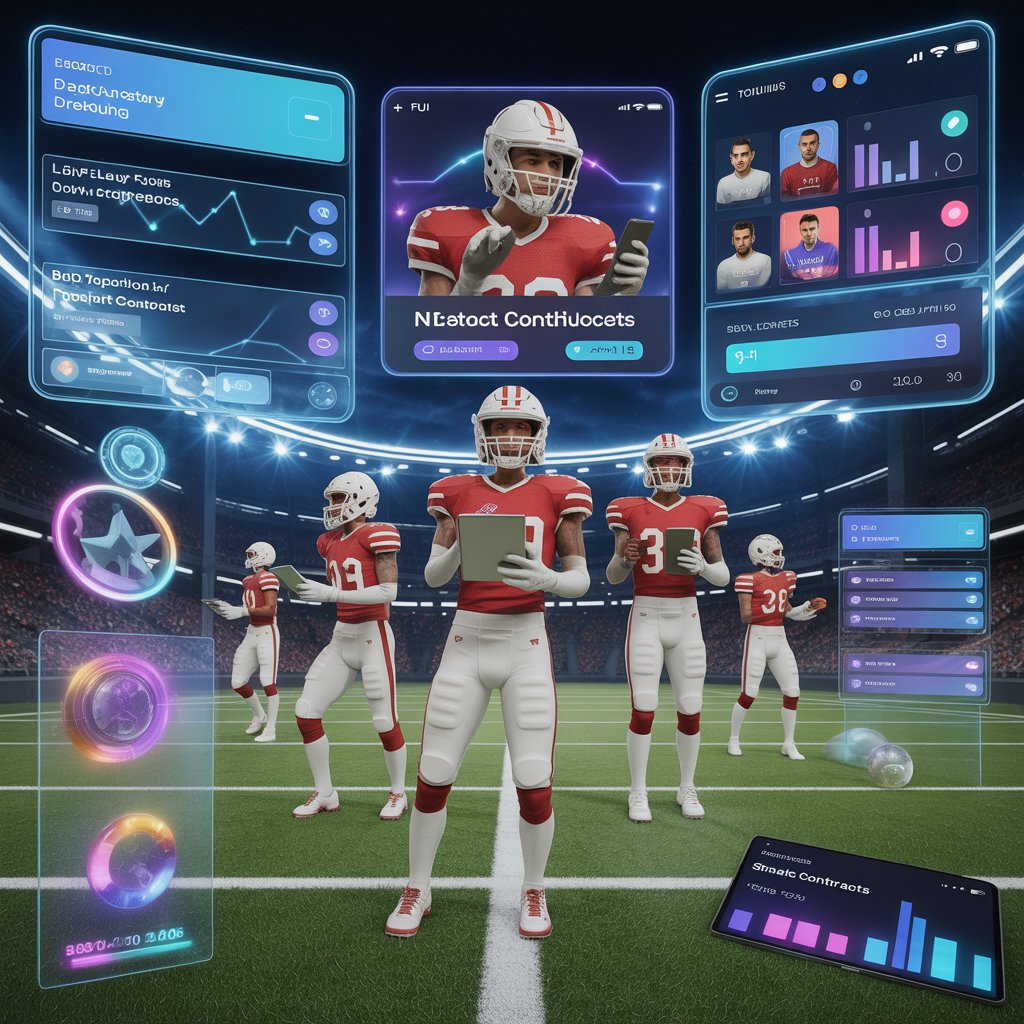
Blockchain in Fantasy Sports App: Transforming the Future of Gaming
The rise of blockchain technology has revolutionized numerous industries, and fantasy sports apps are no exception. The integration of blockchain in fantasy sports apps is reshaping how users engage, compete, and earn rewards. From ensuring fairness to enabling digital ownership, blockchain brings unprecedented transparency, security, and efficiency to the fantasy sports ecosystem. This article explores the core benefits, use cases, challenges, and future trends of blockchain in fantasy sports apps.
Understanding Blockchain in Fantasy Sports
Blockchain is a decentralized ledger system that records transactions in a secure and immutable manner. In the context of fantasy sports apps, blockchain allows platforms to record player statistics, match results, scoring rules, and user transactions in a transparent and tamper-proof manner. Each action, from joining a contest to winning a prize, is stored securely on the blockchain, ensuring that the entire process remains trustworthy and auditable.
How Blockchain Enhances Transparency
One of the primary advantages of blockchain is transparency. Fantasy sports users often question the fairness of scoring and prize distribution. With blockchain, every transaction and game action is visible on the ledger, reducing suspicion of manipulation. Users can verify that the results are accurate, and prize distributions occur automatically according to predefined rules. This transparency enhances the credibility of the platform and builds user trust.
Fair Play and Anti-Fraud Measures
Blockchain introduces advanced mechanisms to maintain fair play and prevent fraudulent activities:
Smart Contract Enforcement
Smart contracts automatically execute predefined rules within the app. For instance, once a match ends, winnings are instantly distributed to the rightful participants without human intervention. This eliminates human errors, reduces bias, and ensures consistency in prize distribution.
Identity Verification
Blockchain enables secure identity verification, reducing the risk of fake accounts and bots. By validating user identities through blockchain, fantasy sports apps can ensure a fair and competitive environment, protecting genuine players and enhancing the overall experience.
Digital Ownership and NFTs in Fantasy Sports
The concept of digital ownership has been revolutionized by blockchain, particularly through non-fungible tokens (NFTs). Fantasy sports apps can use NFTs to represent unique digital assets, including player cards, collectibles, achievements, and badges. Users can truly own, trade, sell, or collect these assets, creating a more engaging experience.
Scarcity and Provenance
NFTs on blockchain guarantee scarcity and provenance, which adds real value to digital collectibles. Rare player cards or limited-edition achievements can become highly sought-after assets, driving user engagement and increasing the app’s revenue potential.
Marketplace Integration
Fantasy sports apps can integrate NFT marketplaces, allowing users to trade assets seamlessly. This secondary market not only enhances user interaction but also generates additional revenue streams through transaction fees and royalties on resale.
Tokenization and In-App Currency
Blockchain allows fantasy sports apps to introduce their own native tokens or currencies. These tokens can be used for entry fees, rewards, or internal transactions within the app, creating a self-sustaining economy.
Benefits of Tokenization
-
Seamless Payments: Users can participate in contests and receive rewards without relying on traditional banking systems.
-
Cross-Platform Utility: Tokens can be transferred or used across multiple apps, increasing flexibility.
-
Advanced Features: Some platforms incorporate decentralized finance (DeFi) features, allowing users to stake tokens or earn yields, further enhancing engagement.
Instant and Cross-Border Payments
Blockchain’s decentralized nature enables faster and cheaper transactions, especially for international users. Fantasy sports platforms can distribute winnings instantly without intermediaries, reducing delays and high transaction fees. This feature is particularly valuable in regions with slow or expensive banking systems, ensuring that users receive their rewards promptly.
Decentralized Governance
Another innovative feature that blockchain brings to fantasy sports apps is decentralized governance. Platforms can allow token holders to vote on key decisions, such as new features, rule changes, or contest formats. This empowers users, aligns the platform with community interests, and fosters a sense of ownership and loyalty among participants.
Challenges of Implementing Blockchain
While blockchain offers many benefits, integrating it into fantasy sports apps comes with challenges:
Regulatory Compliance
Different regions have varied regulations regarding cryptocurrency and NFTs. Fantasy sports apps must navigate these legal frameworks to avoid compliance issues.
User Adoption
Many users are not familiar with blockchain terminology, digital wallets, or token management. Educating users and simplifying onboarding is crucial for widespread adoption.
Development Costs
Implementing blockchain requires significant investment in technology, smart contract development, security audits, and integration with existing app architecture.
Security Concerns
While blockchain is secure by design, smart contracts and external data oracles must be thoroughly audited to prevent hacks or data manipulation.
The Future of Blockchain in Fantasy Sports
The integration of blockchain in fantasy sports apps is only beginning. Future trends include:
-
Dynamic NFTs that evolve based on real-world player performance.
-
Play-to-earn models allowing users to earn tokens just by participating, not only by winning.
-
Cross-platform interoperability enabling users to transfer assets across multiple apps or games.
-
Low-cost, scalable blockchains that ensure smooth transactions and improved user experience.
Blockchain has the potential to make fantasy sports apps more transparent, fair, and engaging, while opening up new revenue models and opportunities for both users and platform owners.
Conclusion
Blockchain in fantasy sports apps is transforming the way users engage with games. From enhancing transparency and fairness to enabling digital ownership and instant payments, blockchain creates a more secure and immersive experience. While challenges like regulatory compliance and user adoption exist, the long-term potential for growth and innovation in this space is immense. As blockchain technology continues to evolve, fantasy sports apps are poised to offer a next-generation gaming experience that is trustworthy, engaging, and highly rewarding.