
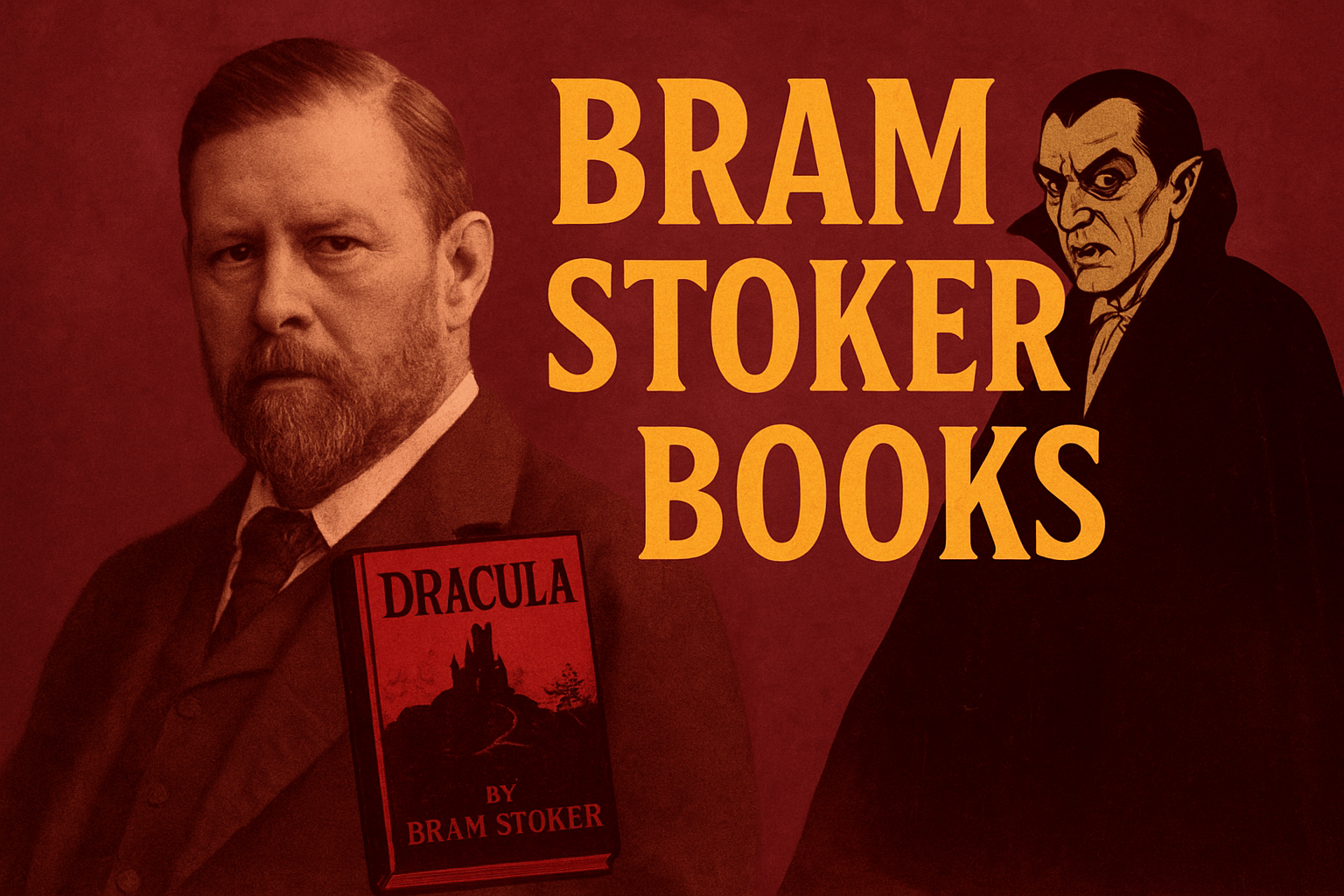
Bram Stoker Books: Exploring the Dark Genius Behind Gothic Literature
Introduction to Bram Stoker’s Timeless Legacy
When it comes to gothic horror, mystery, and supernatural fiction, few names echo through literary history like Bram Stoker. Known primarily for his groundbreaking novel Dracula (1897), Stoker’s contribution to literature extends far beyond one book. His imagination birthed some of the most iconic tales of terror, blending elements of romance, suspense, and the supernatural into stories that still capture readers’ minds over a century later.
The collection of Bram Stoker books represents more than a library of horror—it’s a journey through Victorian society’s deepest fears, moral struggles, and fascination with the unknown. This article explores his greatest works, writing style, and enduring influence on modern storytelling.
Bram Stoker: The Man Behind the Monster
Abraham “Bram” Stoker was born in Dublin, Ireland, in 1847. As a child, he battled illness and spent long periods bedridden, which may have fueled his vivid imagination. Later, Stoker attended Trinity College and became fascinated with literature, theatre, and mythology. His career as a theatre manager for the famous actor Sir Henry Irving exposed him to the world of drama and storytelling—an influence that shines through in the Bram Stoker books we read today.
While Dracula made him immortal in the literary world, Stoker wrote numerous other novels, short stories, and even non-fiction works that reflected his creativity and intellectual curiosity. His writings explore fear, faith, love, science, and the blurred lines between good and evil.
The Masterpiece: Dracula (1897)
A Revolutionary Gothic Tale
Among all Bram Stoker books, Dracula stands as his most celebrated and enduring creation. Written in an epistolary format—through letters, diary entries, and newspaper clippings—it tells the story of Count Dracula, a Transylvanian vampire seeking to move to England to spread his curse. The book’s heroes—Jonathan Harker, Mina Murray, Lucy Westenra, Dr. Seward, and Professor Van Helsing—must confront the ancient evil threatening their world.
Themes and Impact
Dracula is not just a vampire story—it’s a reflection of Victorian fears about science, sexuality, and the collapse of traditional values. The vampire represents the unknown, the forbidden, and the unstoppable force of corruption. Stoker’s careful blend of realism and supernatural elements gave the novel a chilling authenticity that set the standard for modern horror.
Even today, Dracula remains a cultural touchstone, inspiring countless adaptations, movies, and television series. It laid the foundation for the entire vampire genre and continues to influence writers and filmmakers worldwide.
Other Notable Bram Stoker Books You Should Read
While Dracula may overshadow his other works, several Bram Stoker books deserve attention for their originality and depth. Each story reveals a different side of Stoker’s imagination, from romance to adventure and the occult.
The Snake’s Pass (1890)
Stoker’s first full-length novel, The Snake’s Pass, combines Irish folklore with romantic adventure. Set in the west of Ireland, the story follows a young Englishman who becomes entangled in local legends and hidden treasures. It showcases Stoker’s ability to blend myth and realism, making it a captivating start to his writing career.
The Jewel of Seven Stars (1903)
This novel dives into Egyptian mythology and the fascination with the supernatural. It tells the story of an archaeologist’s obsession with reviving an ancient Egyptian queen. The novel’s eerie atmosphere and sense of dread rival Dracula in intensity. It explores humanity’s dangerous curiosity about life, death, and resurrection.
The Lady of the Shroud (1909)
In this unique novel, Stoker merges romance with horror. Set in the Balkans, it follows Rupert Sent Leger, a man who inherits a mysterious estate and encounters a woman shrouded in mystery who may not be entirely human. The story mixes political intrigue, love, and supernatural suspense—a true testament to Stoker’s storytelling versatility.
The Lair of the White Worm (1911)
One of his final and most bizarre works, The Lair of the White Worm is a wild mix of horror, science, and myth. It tells the tale of a monstrous serpent living beneath an English estate. The novel’s strangeness and intensity make it a fascinating read for those intrigued by Victorian weird fiction.
Dracula’s Guest and Other Weird Stories (1914)
Published after Stoker’s death, this short-story collection includes eerie tales that showcase his mastery of suspense and atmosphere. The title story, Dracula’s Guest, is believed to be a deleted chapter from Dracula, offering readers a glimpse into Stoker’s original vision for his famous vampire.
Lesser-Known Bram Stoker Books Worth Exploring
The Mystery of the Sea (1902)
This novel blends adventure and the supernatural. It follows an American man living in Scotland who discovers an ancient secret involving cryptic codes and ghostly visions. It’s an excellent choice for readers who enjoy historical thrillers with mystical undertones.
Miss Betty (1898)
A romantic drama set in England, Miss Betty explores themes of loyalty, love, and social status. Although not one of Stoker’s horror tales, it highlights his ability to craft complex characters and emotional storytelling.
The Watter’s Mou’ (1895)
A lesser-known romantic tragedy set in a Scottish fishing village. It deals with love, betrayal, and sacrifice—showing Stoker’s sensitivity beyond his gothic reputation.
Themes and Style in Bram Stoker Books
Exploring Fear and Faith
Fear, both psychological and supernatural, runs deep in Stoker’s novels. Whether through vampires, ancient curses, or unknown terrors, he used fear to explore morality and human nature. Many of his characters confront not only monsters but also their inner doubts and temptations.
Science vs. Supernatural
Stoker’s works often reflect the Victorian tension between reason and belief. Characters like Van Helsing and Dr. Seward symbolize this clash—men of science facing forces that defy logic. This theme makes his novels timeless, as humanity continues to question the limits of knowledge.
Atmospheric Storytelling
From foggy London streets to eerie Transylvanian castles, Stoker’s settings are characters in themselves. His descriptive writing immerses readers in mood and place, building suspense until the very last page.
Influence and Modern Relevance
The legacy of Bram Stoker books continues to thrive in modern culture. His storytelling inspired countless writers, filmmakers, and artists. The vampire myth he perfected paved the way for stories like Interview with the Vampire, Twilight, and Buffy the Vampire Slayer.
Beyond vampires, Stoker’s exploration of fear, faith, and morality remains relevant. His work speaks to universal human anxieties—death, love, temptation, and the unknown.
Conclusion: The Everlasting Power of Bram Stoker Books
Bram Stoker’s books are more than gothic tales—they’re mirrors reflecting human nature’s light and darkness. From Dracula’s chilling terror to The Jewel of Seven Stars’ ancient mystery, his stories continue to enchant readers and inspire creators.
Each Bram Stoker book invites readers to explore the boundaries between reason and superstition, love and fear, life and death. More than a century later, his words still whisper from the shadows, reminding us why true horror never fades—it evolves.