
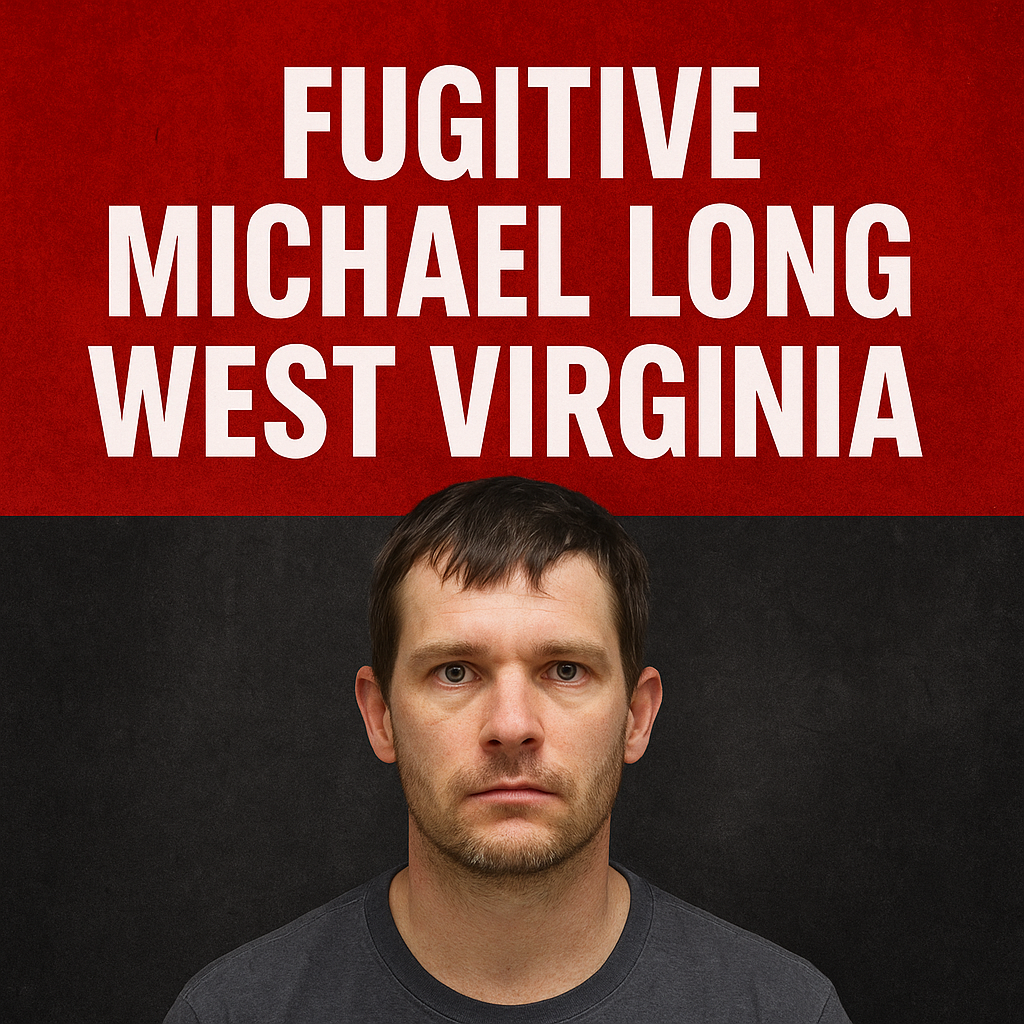
Fugitive Michael Long West Virginia: Manhunt, Crimes, and Public Awareness
Introduction
The story of fugitive Michael Long West Virginia has gripped the local community and raised national concern. When individuals abscond from the law, they not only endanger themselves but also pose risks to society. Michael Daryl Long Jr., better known as “Lil’ Mike,” has become a high-profile case in North Central West Virginia. His history of drug-related crimes, violence, and parole violations highlights the dangers of repeat offenders, while the ongoing manhunt reveals the determination of law enforcement agencies.
This article takes an in-depth look into the background of Michael Long, the details of his offenses, the pursuit by federal authorities, and what citizens need to know to stay safe and informed.
Who Is Michael Long?
Early Background
Michael Daryl Long Jr., widely referred to as Lil’ Mike, is a 38-year-old man from West Virginia. While much of his early life remains relatively undocumented in public records, his adult years have been marked by repeated run-ins with law enforcement.
Physical Description
Law enforcement describes him as a white male, 5 feet 7 inches tall, weighing around 150 pounds, with blue eyes and brown hair. This description has been circulated in the media to help the public identify him.
The Crimes of Michael Long
Drug-Related Offenses
Michael Long’s criminal record includes possession with intent to distribute methamphetamine. Meth-related crimes remain a serious issue in West Virginia, a state that has long struggled with substance abuse and drug trafficking.
Violent Background
In addition to drug crimes, Long was also convicted of conspiracy to commit malicious assault on a correctional employee. This charge reflects not only violence but also premeditation, making him a significant concern for law enforcement officials.
Other Criminal History
His record does not end there. Authorities have noted his involvement in fleeing from police, resisting arrest, and drug possession on multiple occasions. This history paints a picture of a repeat offender unwilling to comply with the law.
Why He Is a Fugitive
Parole Violations
Michael Long is currently wanted for absconding from parole. Parole is meant to be a second chance for convicted individuals, giving them the opportunity to reintegrate into society under supervision. However, when a parolee flees or violates conditions, it not only undermines the justice system but also raises questions about public safety.
Immediate Threat to Community
While some fugitives may not pose a significant risk, Long’s violent history makes him different. With charges tied to both drugs and assault, authorities warn that he should be considered dangerous and unpredictable.
The Manhunt in West Virginia
Role of U.S. Marshals
The U.S. Marshals Service has taken the lead in the search for Michael Long. As one of the nation’s oldest law enforcement agencies, they are highly skilled in locating fugitives. Their involvement shows the seriousness of the case.
Public Alerts
To increase chances of capture, the Marshals have issued public alerts. Citizens in North Central West Virginia, especially around Clarksburg and surrounding areas, have been advised to remain vigilant and report any sightings.
Tip Line
Authorities stress that anyone with information should not attempt to approach him but instead call the Marshals Service or local law enforcement. This ensures public safety while allowing professionals to act.
The Broader Impact
Fear in Communities
When someone like Michael Long is on the run, communities naturally feel unsettled. Residents often worry about potential crimes, ranging from theft to violence, especially in areas where fugitives may seek shelter.
Strain on Law Enforcement
Manhunts require significant resources. Officers must conduct surveillance, follow leads, and sometimes work around the clock. In a state already facing challenges with crime and drugs, cases like this add heavy pressure to law enforcement teams.
Spotlight on Drug and Crime Issues
The case also brings renewed attention to West Virginia’s ongoing battle with methamphetamine and violent crime. Michael Long’s offenses are not isolated incidents but part of a larger pattern that authorities have been fighting for years.
Public Safety and Responsibility
Staying Alert
Citizens are encouraged to remain observant. Suspicious activity, unfamiliar vehicles, or individuals matching Long’s description should be reported immediately.
Community Cooperation
Law enforcement often relies on community cooperation to catch fugitives. In many cases, tips from ordinary citizens lead to arrests. That makes the public’s role in this search extremely valuable.
Avoiding Vigilantism
While frustration can run high, authorities warn against individuals taking matters into their own hands. Approaching or attempting to capture a dangerous fugitive could result in serious harm.
Lessons from the Case
Challenges of Parole
Michael Long’s case demonstrates the challenges of managing parole systems. While parole offers rehabilitation opportunities, it also poses risks when offenders reoffend or abscond.
Need for Drug and Crime Prevention
The connection between drugs, violence, and parole violations shows the need for stronger prevention and rehabilitation programs in West Virginia. Addressing root causes like addiction may reduce cases like Long’s in the future.
Importance of Federal-State Partnerships
The cooperation between the U.S. Marshals Service and local law enforcement highlights the effectiveness of joint efforts. Complex cases like this require coordination across agencies.
Conclusion
The story of fugitive Michael Long West Virginia is more than just a manhunt—it is a reflection of deeper challenges facing both the justice system and the community. His criminal history, violent tendencies, and current fugitive status make him a serious concern for law enforcement and the public alike.
As the search continues, awareness remains key. Citizens must stay informed, report credible information, and trust the professionals tasked with ensuring safety. The outcome of this case will not only determine the fate of one man but also serve as a reminder of the persistent issues of crime, drugs, and rehabilitation in West Virginia.