
Guptill House: Uncovering the Inspiring Legacy of Florida’s Pioneer Spirit
Introduction
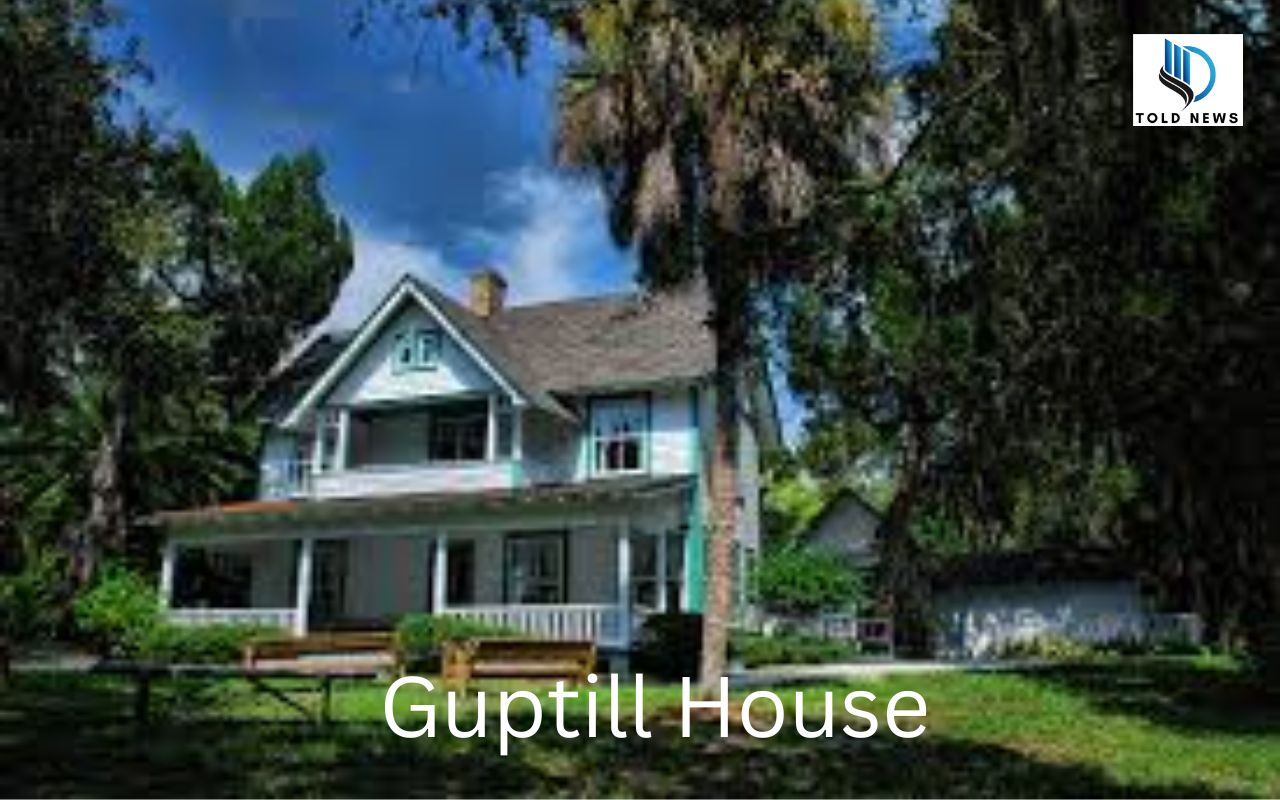
The Guptill House stands as a remarkable piece of Florida’s early pioneer history—a symbol of determination, craftsmanship, and adaptation. Built in 1901 by Frank Guptill and his wife Lizzie Webb Guptill, this historic home rests on ancient ground at Historic Spanish Point in Osprey, Sarasota County, Florida. More than just a house, it tells the story of early settlers, their connection to the land, and the cultural evolution of the Gulf Coast region. Over the decades, the Guptill House has witnessed transformations, ownership changes, and the passage of time, yet it remains a powerful reminder of “Yankee ingenuity” and early Florida life.
The Origins of the Guptill House
Built on Ancient Ground
Long before the Guptill family arrived, the site where the house now stands was already of historical importance. The area is built atop a prehistoric archaic midden, a large shell mound left by Indigenous peoples thousands of years ago. These middens are archaeological treasures, providing evidence of early human settlements, diet, and trade along Florida’s coast. The Guptills, likely aware of the mound’s presence, chose it for its elevation—a natural protection from floods and storms.
The Guptill Family’s Journey
Frank Guptill was a sailor, boat-builder, and pioneer settler, embodying the adventurous spirit of early Floridians. His wife, Lizzie Webb Guptill, came from another local pioneer family, the Webbs, who were among the earliest settlers in Osprey. Together, they established their home in an area still largely wild and untamed at the dawn of the 20th century. Their vision was not just to build a shelter but to create a permanent home that reflected both practicality and craftsmanship.
Early Construction and Architectural Features
A Testament to Resourcefulness
Constructed in 1901, the Guptill House represents a fine example of early pioneer architecture in Florida. The structure was built using locally available materials, demonstrating both necessity and ingenuity. Wood was the primary resource, and the design balanced durability with simplicity. The Guptill House featured a raised foundation to improve ventilation and resist moisture—an essential feature in the humid Florida climate.
Distinctive Design Elements
Architecturally, the Guptill House reflects the “cracker-style” homes common among settlers of that era. It likely included a steep gable roof, wide porches, and large windows for natural light and airflow. These features were practical responses to Florida’s subtropical conditions. Though modest in appearance, every detail of the house spoke to the self-sufficiency of its builders. The structure remains an example of how early settlers adapted Northern building traditions to the Southern environment.
Transition into the Palmer Estate
Bertha Palmer’s Influence
In the 1910s, the Guptill property became part of the vast holdings of Bertha Honore Palmer, a wealthy Chicago socialite, businesswoman, and philanthropist. Palmer purchased large tracts of land in Sarasota County, envisioning an agricultural and residential paradise known as Osprey Point. As part of this estate, the Guptill House was renamed “Hill Cottage.”
Under Palmer’s ownership, the house gained new significance. While still maintaining its rustic charm, it became part of a more extensive landscape of progress, innovation, and prosperity. The surrounding area began to develop, blending the legacy of pioneer settlers with the modern aspirations of the early 20th century.
Preservation and Historical Importance
From Family Home to Museum Landmark
Over the decades, the Guptill House survived Florida’s changing landscape—hurricanes, development, and the passage of time. Eventually, it was preserved as part of the Historic Spanish Point campus, a cultural heritage site that safeguards both pioneer-era structures and ancient archaeological features. Today, the Guptill House stands as a historic museum structure, open for visitors to explore and appreciate the region’s layered past.
Symbol of “Yankee Ingenuity”
The Guptill House is often praised as an excellent example of early settlement and Yankee ingenuity. This phrase captures the determination and creativity of settlers like the Guptills, who adapted to Florida’s challenging environment with limited resources. The home remains a tangible reminder of their perseverance, practical craftsmanship, and respect for the land they called home.
Cultural and Educational Value
A Window into Early Florida Life
Visiting the Guptill House today offers more than a glimpse into architecture—it provides a full sensory journey into pioneer life. The preserved interior, historic furnishings, and authentic setting allow visitors to imagine daily routines of early 1900s settlers. The home reflects the simplicity of life before modern conveniences and the communal spirit that defined early Florida communities.
Integration with Prehistoric Heritage
The Guptill House’s location on a prehistoric midden adds an exceptional layer of meaning. It symbolizes the continuity between ancient Indigenous cultures and later European-American settlers. The coexistence of these histories on one site highlights the enduring relationship between humans and the Florida landscape. Few historic homes possess such a rich combination of archaeological and architectural significance.
Legacy and Continuing Preservation
Maintaining a Living History
Efforts to preserve the Guptill House continue under the management of local heritage organizations. Restoration projects ensure that its structure remains stable while retaining its authentic design and materials. The goal is not only to maintain a building but to keep history alive for future generations. The Guptill House serves as an educational resource, allowing students, historians, and tourists to explore the story of early Florida settlement firsthand.
Inspiration for Modern Generations
Beyond its historic and architectural value, the Guptill House serves as a symbol of endurance and innovation. In a world where rapid development often overshadows heritage, the Guptill House reminds us of the importance of roots, tradition, and respect for the past. It inspires ongoing conversations about sustainability, preservation, and the human spirit’s ability to adapt and thrive.
Conclusion
The Guptill House is more than a preserved building—it is a living narrative of courage, craftsmanship, and cultural continuity. From its prehistoric foundations to its pioneer beginnings and its place in the Bertha Palmer estate, every chapter of its history reflects the evolving identity of Southwest Florida. Today, it stands as a museum and monument, connecting the stories of ancient peoples, pioneering families, and visionary preservationists.
Through its enduring presence, the Guptill House continues to teach future generations about resilience, creativity, and the lasting beauty of Florida’s heritage.