
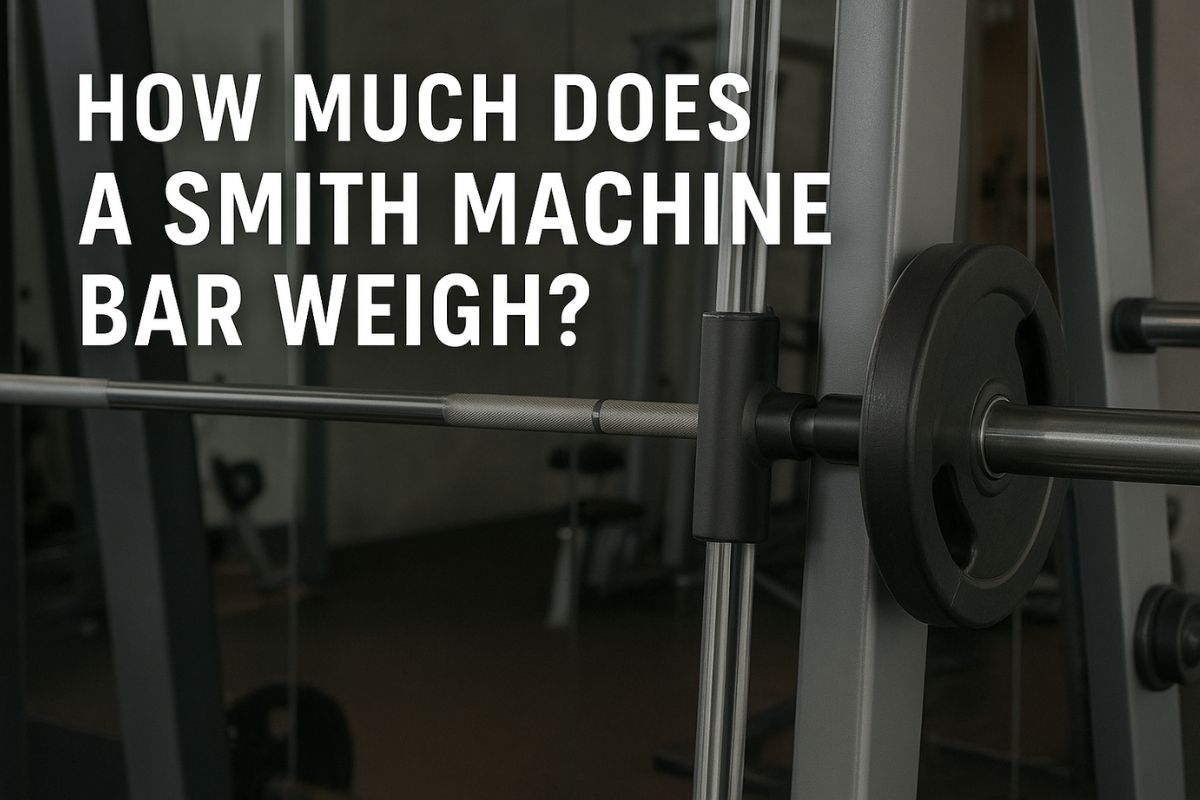
How Much Does a Smith Machine Bar Weigh: A Complete Guide for Every Gym-Goer
Introduction
If you’ve ever stepped into a gym and used the Smith machine, you may have wondered — how much does a Smith machine bar weigh? While most of us assume all bars weigh the same, the truth is that Smith machine bars can vary widely depending on their design, brand, and counterbalance mechanism. Understanding the actual weight of the bar is essential for tracking progress accurately, maintaining proper form, and setting realistic fitness goals.
This guide explores everything you need to know — from average Smith machine bar weights and factors that influence them, to how to measure your own bar weight correctly.
Understanding the Smith Machine
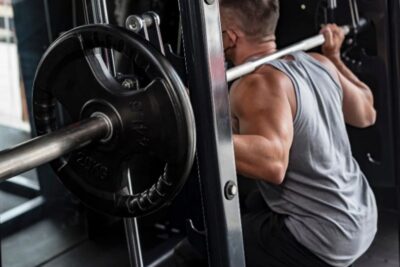
Before diving into weights, it’s important to know what a Smith machine is. A Smith machine is a strength-training apparatus that features a fixed barbell guided by vertical steel rails. Unlike a free-weight barbell, the Smith machine bar moves on a set path, providing extra stability and safety.
This design helps beginners build confidence and allows advanced lifters to perform exercises safely without a spotter. However, because of the mechanical assistance and counterbalance system, the actual bar weight can differ dramatically from a standard Olympic barbell.
Average Weight of a Smith Machine Bar
Commercial Smith Machines (Counterbalanced)
Most commercial gym Smith machines come with a counterbalance system, which uses pulleys and weights to offset the bar’s true mass. As a result, these bars often feel very light — typically between 6 to 15 pounds (2.7 to 6.8 kilograms).
This lighter feel allows users to start lifting with minimal resistance, making it ideal for beginners or for exercises like shoulder presses and squats where balance and control are key.
Home Gym Smith Machines (Non-Counterbalanced)
Many home gym Smith machines don’t include counterbalancing. These bars tend to be heavier and generally weigh between 15 to 25 pounds (6.8 to 11.3 kilograms).
These models are popular among fitness enthusiasts who want a setup closer to traditional free-weight lifting but with the added stability of a fixed track.
Heavy-Duty and Commercial Non-Assisted Machines
Some high-end commercial machines are built without any form of mechanical assistance. Their bars can weigh as much as 30 to 45 pounds (13.6 to 20 kilograms), similar to a standard Olympic barbell. These machines are preferred by advanced lifters who want a more realistic feel during compound movements like squats and bench presses.
Why the Weight Varies
Several factors determine how much a Smith machine bar weighs. Understanding these factors can help you assess how your machine’s setup affects your lifts.
1. Counterbalance System
The primary reason for variation is the counterbalance mechanism. Machines with counterweights or pulleys reduce the load, making the bar feel lighter. This system is particularly common in gyms aiming to accommodate beginners.
2. Bar Construction Material
Bars are made from different materials — typically steel or chrome-plated alloy. Heavier-duty steel bars are more robust and weigh more, while lightweight alloy bars are designed for ease of movement and lower resistance.
3. Machine Design and Brand
Different brands design their Smith machines differently. For instance, brands like Hammer Strength, Life Fitness, and Cybex each use unique engineering, resulting in different bar weights even when the machines look similar.
4. Angle of Movement
Some Smith machines allow for angled movement tracks (usually around 7–12 degrees) instead of purely vertical motion. The angle can slightly change how much of the bar’s weight you feel during lifting.
Comparing Smith Machine Bars to Olympic Bars
A standard Olympic barbell weighs 45 pounds (20 kilograms). This is the universal standard used in most strength training programs.
In contrast, a Smith machine bar often weighs much less due to the assistance provided by the machine. For example:
| Type of Bar | Average Weight | Description |
|---|---|---|
| Olympic Barbell | 45 lbs (20 kg) | Standard free-weight bar used in gyms |
| Counterbalanced Smith Bar | 6–15 lbs (2.7–6.8 kg) | Common in commercial gyms |
| Non-Counterbalanced Smith Bar | 15–25 lbs (6.8–11.3 kg) | Found in home gyms |
| Heavy Commercial Smith Bar | 30–45 lbs (13.6–20 kg) | Used by professionals and advanced lifters |
This table clearly shows that the Smith machine bar can vary greatly, and it’s crucial to know your specific machine’s bar weight to ensure accurate workout tracking.
How to Measure the Bar Weight Yourself
If your gym or equipment manual doesn’t specify the bar weight, you can determine it using these simple steps:
1. Use a Scale
-
Set up a bathroom or luggage scale under the bar hooks.
-
Carefully lower the Smith machine bar onto the scale.
-
Make sure the bar is resting evenly to get an accurate reading.
2. Check Manufacturer Specifications
If possible, look for the brand and model name on your machine. Most fitness equipment manufacturers provide this information online or in manuals.
3. Ask Gym Staff
In commercial gyms, staff or trainers often know the exact specifications of the equipment they maintain.
Does Bar Weight Affect Your Workout?
Absolutely. The bar’s weight can influence your training results more than you might think.
For Beginners:
Lighter bars help you focus on form and prevent injury, making it easier to learn proper movement patterns before progressing to heavier loads.
For Intermediate Lifters:
Knowing the bar’s true weight allows you to track progress accurately and adjust your training program based on consistent resistance.
For Advanced Lifters:
A heavier, non-assisted Smith machine bar offers a more realistic lifting experience, closer to traditional barbell training, which is ideal for strength progression.
Pros and Cons of Using a Smith Machine
Advantages
-
Provides safety and stability, especially for solo workouts.
-
Helps isolate target muscles effectively.
-
Reduces risk of imbalance during lifts.
-
Ideal for rehabilitation or controlled strength training.
Disadvantages
-
Limits natural movement path, which may reduce engagement of stabilizer muscles.
-
May lead to over-reliance on the machine, affecting free-weight performance.
-
Bar weight differences can cause confusion if not properly tracked.
Final Thoughts
So, how much does a Smith machine bar weigh? The answer depends largely on the machine type, counterbalance system, and manufacturer. Most bars fall between 6 and 45 pounds, but knowing the exact weight of your specific bar ensures you’re lifting with precision and consistency.
Whether you’re a beginner learning the basics or an experienced lifter pushing your limits, understanding your equipment is the key to effective training. Always take the time to identify your Smith machine’s bar weight and adjust your workout logs accordingly.
A Smith machine can be a powerful tool when used correctly — just make sure you know what you’re really lifting.