
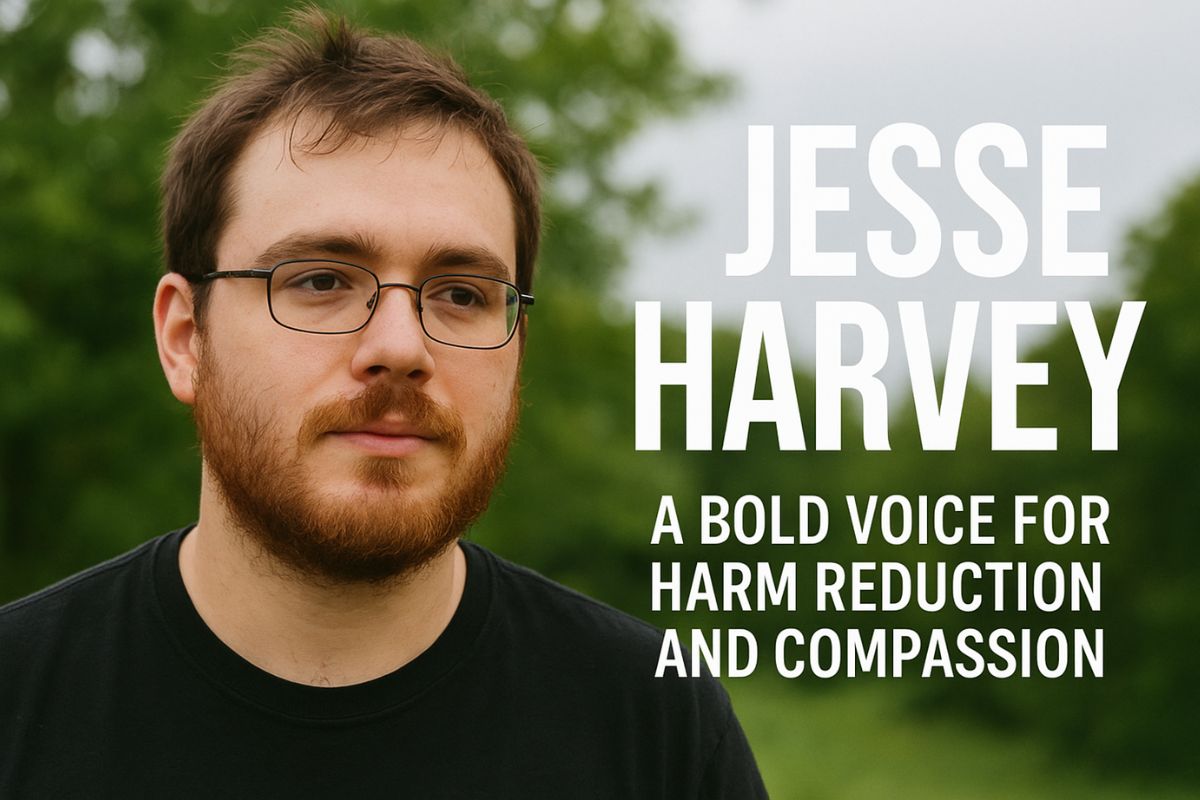
Jesse Harvey: A Bold Voice for Harm Reduction and Compassion
Introduction
Jesse Harvey was not a celebrity, nor did he hold political power, yet his name continues to echo in discussions about harm reduction and public health in America. In his short life, Harvey became a passionate advocate for people who use drugs, dedicating himself to saving lives, challenging stigma, and questioning outdated systems that criminalized addiction. His story is both inspiring and tragic, highlighting the possibilities of grassroots activism while also revealing the challenges that come with personal struggles and systemic resistance.
Early Life and Vision
A Young Man with a Mission
Jesse Harvey grew up like many young Americans, but what set him apart was his deep compassion for others and his refusal to accept the status quo. He witnessed firsthand the devastating impact of the opioid epidemic and the countless lives lost due to overdoses and preventable infections. Rather than standing by, Harvey sought solutions rooted in dignity, safety, and empathy.
Seeds of Activism
From early on, Harvey understood that addiction was not simply a moral failing but a complex health issue. This belief guided his work and ultimately led him to create organizations that would challenge existing laws and practices in Maine and beyond.
Founding the Church of Safe Injection
The Birth of a Movement
In 2018, Jesse Harvey founded the Church of Safe Injection (CoSI), a grassroots harm reduction initiative. The name itself was intentionally provocative, drawing attention to how society often treats drug users with condemnation rather than compassion. Through CoSI, Harvey and volunteers distributed sterile syringes, naloxone (an overdose-reversal medication), fentanyl test strips, and other supplies aimed at saving lives.
Challenging the Law
At the time, distributing syringes outside of authorized programs was illegal in many areas of Maine. Harvey took this risk knowingly, believing that preventing disease and death was more important than following restrictive rules. His actions sparked debate, with critics questioning the legality of his methods while supporters praised his courage.
A Symbol of Hope
The Church of Safe Injection became more than a small grassroots group; it symbolized a larger movement advocating for safe consumption spaces and broader acceptance of harm reduction strategies. To Harvey, saving even one life was worth the risk of controversy.
Journey House: Building Recovery Pathways
A Place for Healing
Beyond harm reduction, Harvey also believed in creating long-term solutions for recovery. He founded Journey House, a network of recovery residences across Maine. These houses provided safe, structured environments where individuals could rebuild their lives after addiction.
Meeting People Where They Are
Unlike some traditional recovery programs that imposed rigid conditions, Journey House aimed to meet people at different stages of recovery. Harvey’s approach was inclusive, offering support without judgment, and acknowledging that recovery is not a one-size-fits-all journey.
Philosophy of Compassion
“People Who Use Drugs Do Not Deserve to Die”
Harvey often repeated this simple yet powerful statement. It became the cornerstone of his philosophy. He believed every person, regardless of their circumstances, deserved dignity, safety, and a chance at life. This belief directly opposed the stigma that painted drug users as disposable.
Harm Reduction as a Human Right
For Harvey, harm reduction was not merely a strategy but a human right. By providing clean supplies and overdose-prevention tools, society could show compassion while addressing the realities of addiction.
Personal Struggles and Legal Challenges
Battles with Addiction
Harvey’s activism was deeply personal because he himself battled addiction. Like many he sought to help, he experienced relapses and the ongoing challenges of substance use. This personal connection made his advocacy even more urgent and authentic.
Legal Troubles
In 2019, Harvey was involved in a car accident and faced charges such as driving under the influence. These incidents fueled criticism from detractors but also highlighted the systemic issues facing people who struggle with substance use.
Civil Commitment Experience
Harvey was also subjected to civil commitment—court-ordered institutionalization for addiction. He later described the process as punitive, lacking dignity, and more focused on control than actual healing. This experience further fueled his calls for reform in how society treats individuals with substance use disorders.
Tragic Death at 28
A Life Cut Short
In September 2020, Jesse Harvey died at just 28 years old, likely due to an overdose. His passing shocked the harm reduction community and sparked widespread reflection on the fragility of life for people in recovery.
A Catalyst for Conversation
Harvey’s death ignited conversations about the need for safer consumption spaces, expanded harm reduction services, and broader acceptance of compassionate approaches to addiction. For many, his passing underscored how the systems meant to protect people are often inadequate.
Legacy and Impact
Honored After Death
Following his death, Harvey’s work was honored by activists, lawmakers, and community members. The Church of Safe Injection eventually became a certified syringe service program in Maine—a testament to his pioneering efforts.
Inspiring New Generations
Today, harm reduction advocates across the country cite Jesse Harvey as an inspiration. His boldness, compassion, and refusal to back down in the face of criticism serve as a model for grassroots activism.
Changing the Narrative
Harvey helped shift the narrative around addiction. By centering dignity and humanity, he challenged the notion that drug users were criminals or burdens, instead reframing them as people worthy of compassion and support.
Lessons from Jesse Harvey’s Life
Courage to Challenge Systems
One of the most important lessons from Jesse Harvey’s story is the courage to challenge unjust systems. He demonstrated that individuals, even without official power, can push back against harmful norms and spark meaningful change.
Compassion Over Condemnation
Harvey’s philosophy reminds us that compassion saves lives while condemnation isolates and destroys. His belief in harm reduction as an act of love continues to resonate with activists and health professionals alike.
Work Left to Do
Though Harvey’s life was cut short, the issues he fought for remain. The opioid crisis continues, and the need for harm reduction, recovery support, and systemic change is as urgent as ever.
Conclusion
Jesse Harvey’s life story is one of passion, struggle, courage, and compassion. In just 28 years, he founded organizations that saved lives, gave people hope, and reshaped conversations about addiction and harm reduction. While his personal battles were real and at times overwhelming, his legacy endures as a reminder that even one determined individual can make a lasting impact.
Jesse Harvey may no longer be here, but the seeds he planted continue to grow, inspiring a movement rooted in dignity, safety, and humanity.