
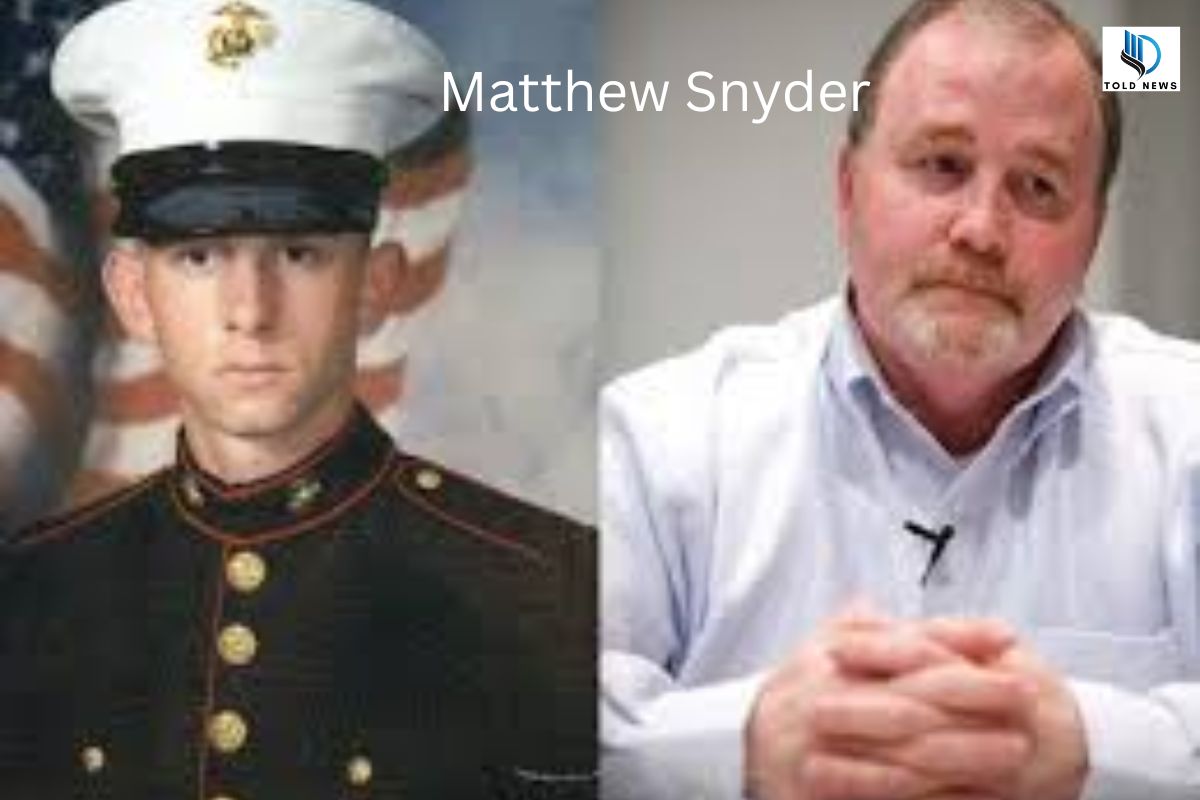
Matthew Snyder: A Life Remembered and Its Lasting Impact
Introduction
Matthew Snyder, a name that resonates beyond ordinary recognition, represents both sacrifice and the legal and cultural discussions surrounding freedom of speech. Though his life was tragically cut short, Matthew Snyder’s story has left a significant mark on society, particularly through the landmark Supreme Court case Snyder v. Phelps. This article explores his life, legacy, and the wider implications of the events surrounding him, offering a detailed and informative overview that aims to provide readers with a comprehensive understanding of Matthew Snyder’s life and its relevance today.
Early Life of Matthew Snyder
Childhood and Upbringing
Matthew Snyder was born in Westminster, Maryland. Growing up, he was known for his infectious smile and positive attitude. Family members often described him as someone who loved life to the fullest. He enjoyed sports, photography, and spending quality time with his cousins. Matthew’s personality was marked by kindness and a willingness to help others, traits that would later define his legacy.
Education and Interests
From an early age, Matthew demonstrated a strong sense of responsibility and determination. He excelled in academics and sports, balancing both with his personal interests. Photography was a passion of his, capturing moments that reflected his enthusiasm for life. These formative years helped shape the compassionate and committed individual he would become as a young adult.
Military Career
Joining the Marines
Matthew Snyder’s sense of duty led him to enlist in the United States Marine Corps. Assigned to Combat Service Support Group‑1, 1st Marine Logistics Group, I Marine Expeditionary Force, he embraced his role with dedication. His decision to serve stemmed from a deep desire to contribute to the safety and security of his country.
Deployment to Iraq
Matthew was deployed to Iraq as part of Operation Iraqi Freedom. While in Iraq, he voluntarily took on assignments that involved higher risks, demonstrating his bravery and selflessness. His commitment to his fellow Marines and his country highlighted his courage and willingness to face danger head-on. Tragically, his life was cut short during a non-combat vehicle accident in Anbar Province on March 3, 2006, at the age of 20.
Legacy and the Snyder v. Phelps Case
The Funeral Incident
Following Matthew Snyder’s death, his funeral became the center of a national legal controversy. Members of the Westboro Baptist Church protested his funeral, carrying signs with offensive messages. This deeply affected Matthew’s family, particularly his father, Albert Snyder, who sought legal action against the church for emotional distress.
The Supreme Court Case
The legal battle culminated in the United States Supreme Court case Snyder v. Phelps. The central question was whether the church’s protest was protected under the First Amendment’s free speech clause. The Supreme Court ruled in favor of the Westboro Baptist Church by an 8-1 vote, establishing that even speech that is offensive and hurtful is protected when it pertains to matters of public concern.
Cultural and Legal Impact
The case set a precedent in U.S. law regarding freedom of speech, particularly in public demonstrations and protests. While the decision was controversial and emotionally charged, it reinforced the idea that constitutional rights extend even in sensitive contexts such as funerals. The Snyder v. Phelps case continues to be cited in discussions of First Amendment rights and public protests, highlighting the broader impact of Matthew Snyder’s life and death.
Personal Reflections and Family Perspective
Remembering Matthew
Family and friends remember Matthew Snyder as more than a legal symbol; he was a beloved son, cousin, and friend. His life, though short, was marked by genuine connections, laughter, and moments of joy. Those who knew him recall his enthusiasm, humor, and ability to bring people together.
The Role of Family in Preserving Legacy
Albert Snyder, Matthew’s father, has actively worked to preserve his son’s memory. By sharing stories about Matthew’s life, character, and accomplishments, the family emphasizes the human side of the tragedy that went beyond the courtroom. Their efforts ensure that Matthew’s identity is not overshadowed by the legal controversy surrounding his funeral.
Lessons Learned from Matthew Snyder’s Story
Courage and Dedication
Matthew Snyder’s life exemplifies courage, responsibility, and commitment to values larger than oneself. His decision to serve in the Marines and undertake risky assignments in Iraq demonstrates his dedication to duty and country.
Understanding Freedom of Speech
The legal case connected to his funeral offers critical lessons about freedom of speech and the complexities of constitutional rights. It highlights the importance of balancing respect for personal grief with the protection of civil liberties in a democratic society.
Resilience in the Face of Adversity
The Snyder family’s response to the tragedy shows the resilience and strength that individuals can display when faced with profound loss. Their ability to transform grief into advocacy for remembrance serves as an example of human perseverance.
Conclusion
Matthew Snyder’s story is a poignant reminder of sacrifice, both personal and national. Beyond his tragic death, his life represents bravery, love for family, and the profound impact one individual can have on broader society. The legal and cultural conversations sparked by Snyder v. Phelps continue to resonate, providing lessons about constitutional rights, public protest, and human dignity.
Remembering Matthew Snyder is not only about acknowledging a young Marine who lost his life but also about understanding the complexities of freedom, the power of legacy, and the enduring human spirit. His life, story, and the conversations they inspired will remain significant for generations to come.