
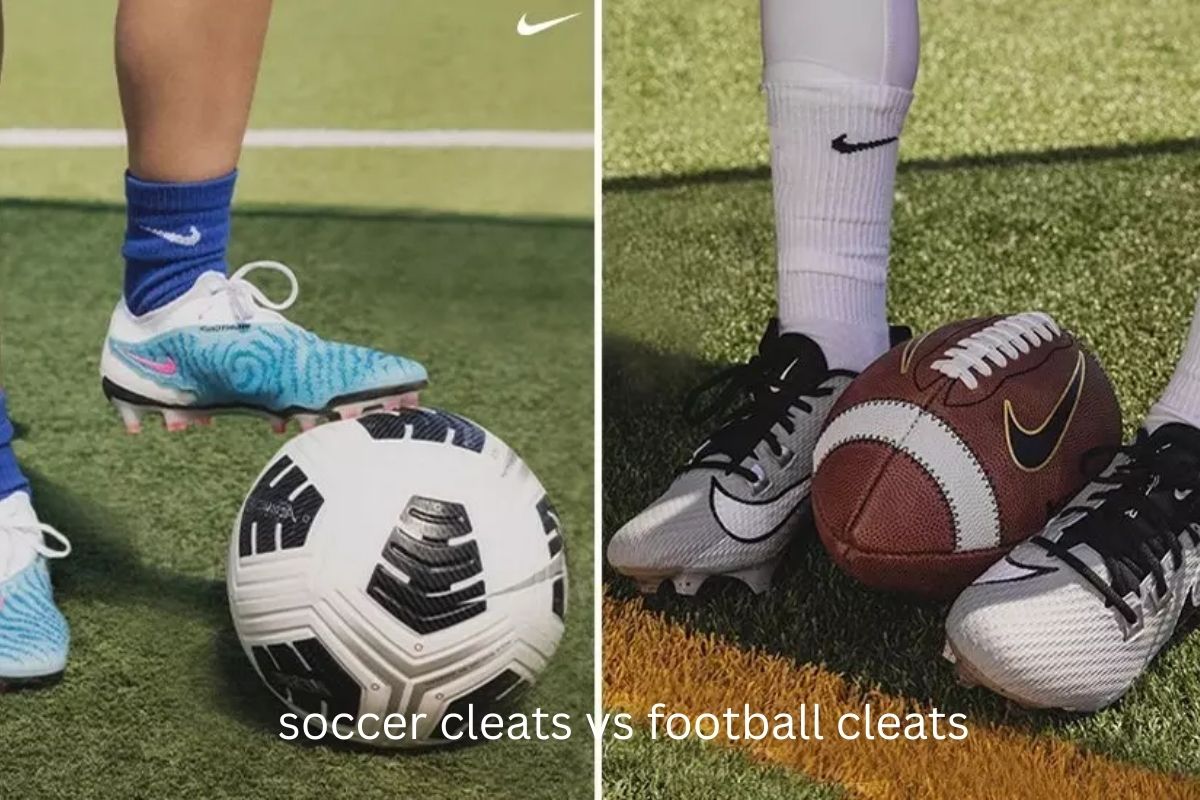
Soccer Cleats vs Football Cleats: Key Differences, Features, and Buying Guide
Choosing the right footwear can make a world of difference in performance, comfort, and safety during sports. One of the most common confusions athletes face is soccer cleats vs football cleats. While they might look similar at first glance, these shoes are designed for completely different purposes. Understanding their differences can help athletes pick the right pair for their sport and prevent injuries.
In this detailed guide, we’ll explore everything about soccer cleats vs football cleats, their unique features, and tips for choosing the right pair for your game.
Understanding Soccer Cleats
Soccer cleats are specifically designed for the game of soccer, which requires quick footwork, agility, and precise ball control. They are lightweight and flexible, allowing players to move freely on the field.
Key Features of Soccer Cleats
-
Low-Cut Design: Soccer cleats have a low-cut ankle design to maximize mobility and allow players to make sharp turns and fast sprints.
-
Lightweight Build: Since soccer players run continuously, the cleats are lightweight to reduce fatigue.
-
No Toe Stud: Soccer cleats do not have a front toe stud because it can interfere with ball control and increase injury risks when kicking.
-
Firm Grip: The cleat pattern provides traction on grass, turf, or artificial fields, helping players maintain balance.
Types of Soccer Cleats
-
Firm Ground (FG): Ideal for natural grass fields.
-
Soft Ground (SG): Designed for wet or muddy fields.
-
Artificial Ground (AG): Made for artificial turf fields.
-
Indoor Soccer Shoes: Flat-soled shoes for playing indoors.
Understanding Football Cleats
Football cleats are made for American football, where players need explosive power, stability, and ankle support. These cleats are heavier and offer more protection than soccer cleats.
Key Features of Football Cleats
-
High or Mid-Cut Design: Football cleats often have high or mid-ankle support to protect players during tackles and collisions.
-
Toe Stud: Many football cleats have a toe stud that helps players push off explosively from the line of scrimmage.
-
Heavier Build: Football cleats are heavier and sturdier to provide support during blocking, tackling, and sudden stops.
-
Variety of Styles: Different positions require different cleat styles, such as lineman cleats for protection and skill-position cleats for speed.
Soccer Cleats vs Football Cleats: A Detailed Comparison
| Feature | Soccer Cleats | Football Cleats |
|---|---|---|
| Weight | Lightweight for speed and agility | Heavier for protection and stability |
| Ankle Support | Low-cut for mobility | Mid or high-cut for support |
| Toe Stud | No toe stud | Usually includes a toe stud |
| Primary Focus | Ball control and precision | Explosive power and protection |
| Playing Surface | Grass, turf, or indoor surfaces | Grass or turf |
| Design Purpose | Continuous running, dribbling, passing | Quick bursts, tackling, blocking |
Why You Should Not Mix Soccer Cleats and Football Cleats
Although both cleats may seem similar, wearing the wrong type can negatively affect performance and even cause injuries.
Performance Impact
-
Using football cleats for soccer can limit agility and ball control due to the heavier design and toe stud.
-
Using soccer cleats for football reduces protection, making players more vulnerable during tackles.
Safety Concerns
Each cleat is designed for its respective sport’s movements. Wearing the wrong cleats increases the risk of ankle injuries, slips, and strain.
How to Choose the Right Cleats
When deciding between soccer cleats vs football cleats, consider the following factors:
1. Sport-Specific Needs
Choose cleats designed for your sport. Soccer players should prioritize lightweight shoes for agility, while football players should focus on stability and support.
2. Playing Surface
If you often play on artificial turf or indoor fields, choose cleats specifically made for that surface to avoid slipping or damaging the ground.
3. Comfort and Fit
A good fit is crucial for preventing blisters and injuries. Try on different pairs and walk or jog around to ensure comfort.
4. Position and Play Style
Football players in skill positions like wide receivers may prefer lighter cleats, while linemen may need heavier, high-cut cleats for added protection.
Related Keywords and Their Relevance
When searching for footwear information, related terms often come up alongside soccer cleats vs football cleats. Understanding these can further refine your search:
-
Soccer shoes vs football shoes: Highlights the difference between general athletic footwear and sport-specific cleats.
-
Soccer vs football gear: Compares equipment needed for both sports.
-
Best cleats for turf: Refers to shoes designed for artificial playing surfaces.
-
Cleats for youth players: Focuses on finding safe, comfortable options for kids.
-
Soccer cleats vs baseball cleats: Another comparison relevant for multi-sport athletes.
Maintenance Tips for Cleats
Regardless of whether you choose soccer or football cleats, proper maintenance ensures they last longer and perform well.
Cleaning
-
Remove dirt and mud after each game.
-
Hand-wash with mild soap and water; avoid washing machines.
Storage
-
Keep cleats in a dry, ventilated area.
-
Avoid leaving them in damp bags or hot car trunks, as it can damage materials.
Replacement
-
Replace cleats once they lose grip or start causing discomfort, as worn-out shoes can increase injury risk.
Final Thoughts
When comparing soccer cleats vs football cleats, the most important thing to remember is that each type is engineered for a specific sport. Soccer cleats prioritize agility, ball control, and speed, while football cleats focus on stability, traction, and protection. Wearing the correct cleats enhances performance and reduces the risk of injuries.
Whether you’re a seasoned athlete or a beginner, investing in the right footwear for your sport is one of the smartest decisions you can make. Always try on multiple options, consider your playing surface, and prioritize comfort to get the best results on the field.