
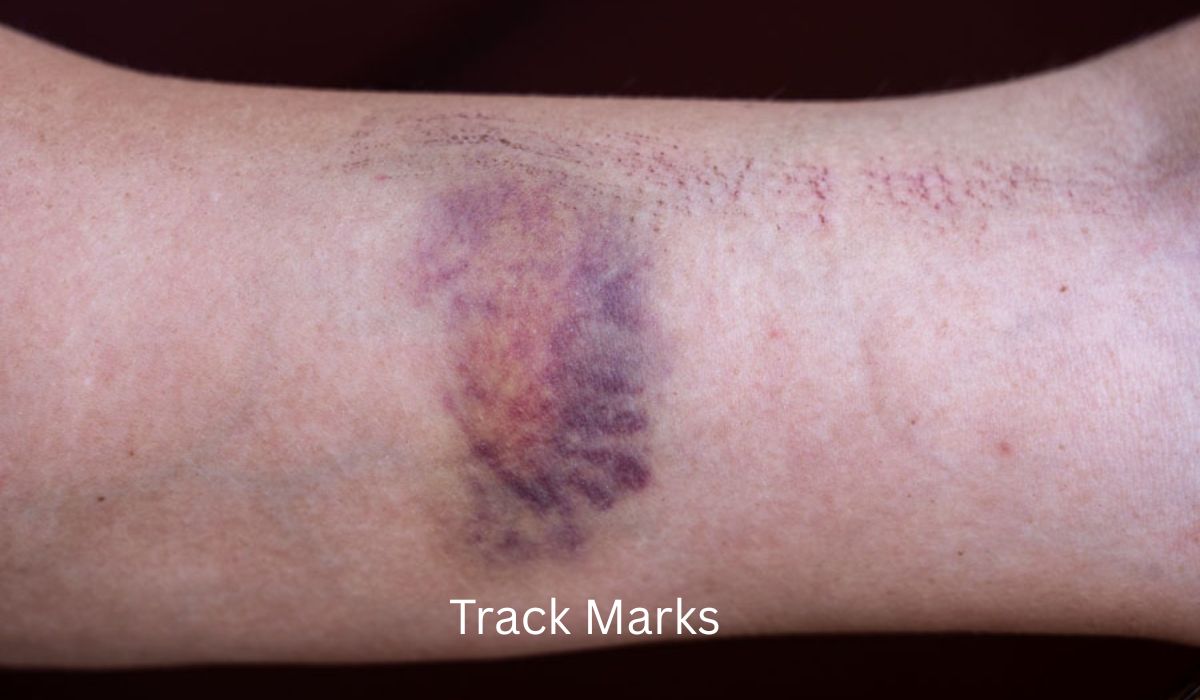
Track Marks: Understanding the Causes, Effects, and Treatments of Injection Scars
Introduction
Track marks are one of the most visible signs of repeated intravenous drug use. These small but noticeable scars often appear on the arms, legs, or other parts of the body where injections are frequently made. While many people associate them with substance abuse, track marks are also a broader indication of skin and vein trauma caused by repeated needle punctures. This article explores in detail what track marks are, how they form, the medical complications associated with them, and the effective ways to treat and prevent them.
What Are Track Marks?
Track marks are discolored, scarred, or raised areas of skin that develop after repeated needle insertions. They often appear as dark lines, puncture wounds, or clusters of small scars. Over time, these marks can become permanent due to continuous tissue and vein damage.
From a medical perspective, track marks are a type of injection-site injury. Each needle insertion damages the outer skin, the underlying tissue, and the veins. When the body attempts to heal these wounds repeatedly, scar tissue builds up, leaving visible marks. The location, depth, and color of track marks depend on how frequently injections occur and whether proper hygiene is followed.
Causes of Track Marks
1. Repeated Needle Use
Using the same injection site multiple times is the leading cause of track marks. Each puncture weakens the skin and blood vessels, reducing their ability to heal. Over time, the area becomes discolored, hardened, and scarred.
2. Poor Injection Technique
Improper injection angles, deep needle insertion, or injecting into small or fragile veins can all cause trauma. When veins collapse or burst due to poor technique, they leave behind visible scars or darkened skin.
3. Use of Non-Sterile Equipment
Reusing or sharing needles exposes the skin to bacteria and other harmful pathogens. This increases the risk of infections that lead to inflammation, abscesses, and scarring.
4. Infections and Inflammation
Repeated injections greatly increase the risk of bacterial infections and localized inflammation. Each time a needle pierces the skin, it creates an entry point for bacteria and other pathogens. If proper hygiene is not maintained—such as cleaning the skin before injection or using sterile equipment—these microorganisms can easily infect the site.
Infections may begin as redness, tenderness, or swelling but can quickly progress to more serious complications. When left untreated, they can result in abscess formation, which is a collection of pus under the skin. Abscesses not only cause pain and swelling but also destroy healthy tissue, leading to deep scars once healed.
Additionally, persistent inflammation weakens the skin’s ability to repair itself. Over time, this repeated cycle of injury and infection causes discoloration, hardening of the skin, and the formation of noticeable track marks. In severe cases, chronic infections can even spread to the bloodstream, posing life-threatening risks.
5. Vein Damage and Scarring
Continuous injections cause veins to harden and collapse, leading to fibrosis or scar formation inside the veins. Once a vein is damaged, it becomes unusable for future injections, forcing individuals to inject in new areas, spreading the damage further.
How Track Marks Develop Over Time
The development of track marks is a gradual process. Initially, there might be only mild redness or swelling after injections. However, as the site is used repeatedly, the skin begins to darken due to bruising and poor circulation. Over weeks or months, this area can become scarred or raised, forming the classic “track” pattern often seen on the arms or legs.
In chronic cases, veins may collapse completely, and the skin may appear leathery or lumpy. These changes are often permanent, even after the person stops injecting.
Medical Complications Related to Track Marks
Track marks are not just cosmetic issues—they signal deeper health risks. Continuous injection use can lead to:
1. Abscesses and Ulcers
An abscess is a painful collection of pus that forms when bacteria infect tissue beneath the skin. If not drained or treated with antibiotics, it can cause severe tissue destruction.
2. Cellulitis
This is a bacterial infection of the deeper layers of the skin. It can spread rapidly and cause pain, redness, and fever. If untreated, cellulitis can lead to sepsis, a life-threatening infection of the bloodstream.
3. Vein Thrombosis
Repeated trauma and inflammation can lead to blood clots forming within damaged veins. This condition restricts blood flow and increases the risk of serious complications.
4. Permanent Scarring
Chronic damage results in fibrotic tissue, which doesn’t heal like normal skin. These scars are often dark, raised, and permanent, making them difficult to conceal.
Treatment and Healing of Track Marks
Healing track marks involves both medical treatment and lifestyle changes. The goal is to prevent further damage, treat existing infections, and promote healthy skin regeneration.
1. Medical Treatment
-
Topical Antibiotics: Used to prevent infection in fresh injection wounds.
-
Prescription Creams: Products containing retinoids or hydroquinone can reduce discoloration.
-
Laser Therapy: Dermatologists can use laser treatments to fade scars and even out skin tone.
-
Surgical Removal: In severe cases, surgical scar revision may be necessary.
2. Natural Remedies and Skin Care
Keeping the affected area clean and moisturized is vital. Natural options like aloe vera, vitamin E oil, or coconut oil can support skin healing. Avoid scratching or picking at scabs, as this increases scarring.
3. Lifestyle Changes
-
Stop injecting substances to allow skin and veins to recover.
-
Eat a balanced diet rich in vitamins A, C, and E to promote collagen repair.
-
Stay hydrated to improve skin elasticity and circulation.
Prevention of Track Marks
The best way to prevent track marks is to avoid injecting drugs. However, for individuals who continue to inject, harm-reduction methods can lower the risks:
-
Always use new, sterile needles.
-
Clean the skin with alcohol wipes before injection.
Professional tone:
Change injection spots regularly so each vein and patch of skin can properly heal and stay healthy.
-
Avoid injecting into veins that are already swollen, red, or hardened.
Public health organizations often provide clean needle programs and medical support to help reduce the occurrence of track marks and related infections.
Psychological and Social Impact
Track marks can deeply affect a person’s self-esteem and social life. Visible scars often lead to stigma and discrimination, making it difficult for individuals to seek help or reintegrate into society. Emotional distress, anxiety, and shame are common psychological effects associated with visible injection marks.
Seeking medical treatment and counseling can help individuals regain confidence and address the underlying causes of substance use.
Conclusion
Track marks are more than just visible scars—they are indicators of repeated skin trauma, infection, and vein damage. While they are often associated with drug use, understanding their causes and complications is essential for both prevention and treatment. Through proper hygiene, medical care, and lifestyle changes, it is possible to minimize the appearance of track marks and restore skin health. Most importantly, addressing the root causes—such as substance dependency—offers the best path to complete healing, both physically and mentally.