
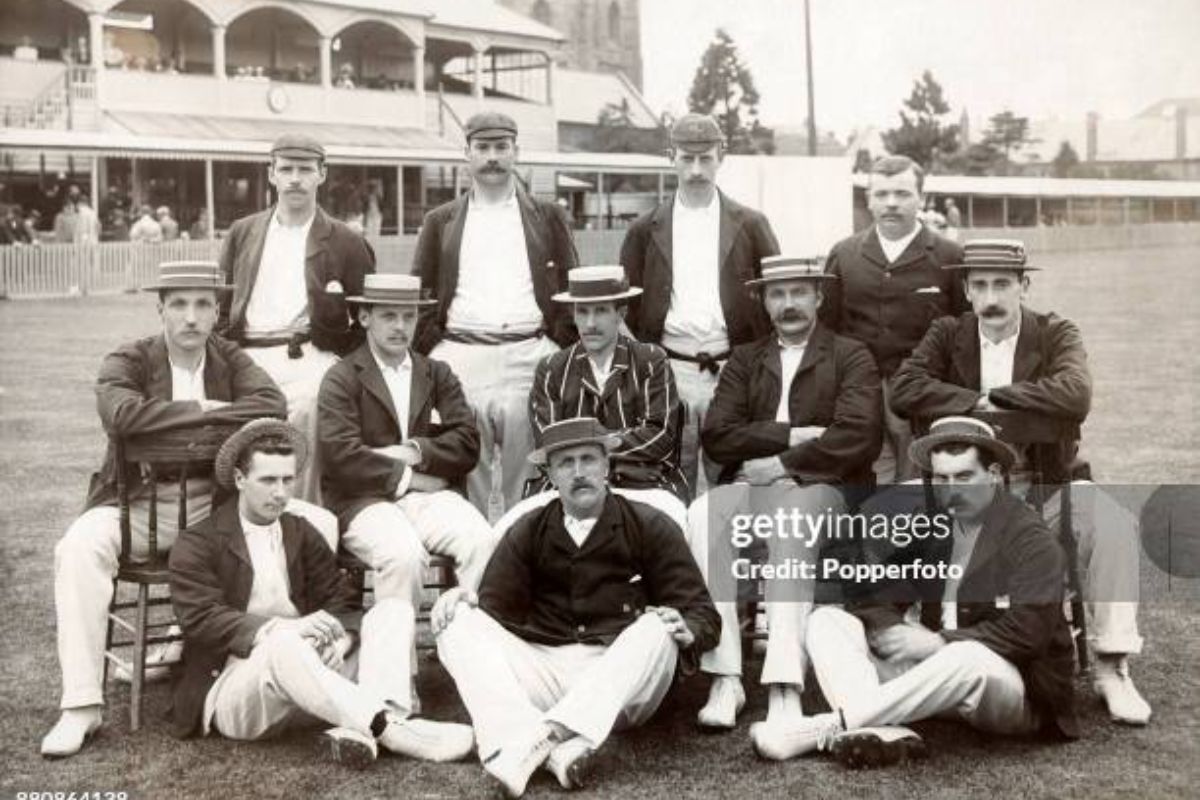
Arthur Webb Mold: The Controversial Fast Bowler Who Shaped Cricket History
Introduction
Arthur Webb Mold was one of the most talked-about cricketers of the late nineteenth century. Known for his pace, power, and remarkable wicket-taking ability, he became a central figure in English cricket during the 1890s. However, his career was not only defined by success but also by controversy that left a lasting mark on the sport.
This article explores the life, career, achievements, and legacy of Arthur Webb Mold in detail, offering a complete and informative look at a cricketer whose name still sparks debate among historians and cricket enthusiasts.
Early Life of Arthur Webb Mold
Birth and Background
Arthur Webb Mold was born on 27 May 1863 in Middleton Cheney, Northamptonshire, England. Coming from a modest background, Mold developed an early passion for cricket. Like many professional cricketers of his time, he began playing locally before attracting attention for his exceptional bowling ability.
Early Cricket Development
Mold’s natural strength and athletic build made him a powerful fast bowler. In an era when pitches were often unpredictable and protective gear was minimal, genuine fast bowlers were both feared and admired. His ability to generate pace and bounce quickly set him apart from other bowlers of his generation.
Rise in County Cricket
Joining Lancashire
Arthur Webb Mold made his first-class debut for Lancashire in 1889. Lancashire was one of the strongest county teams in England, and earning a place in their squad was a major achievement. Mold quickly proved he belonged at the highest level of domestic cricket.
Dominance in the 1890s
The 1890s were the golden years of Mold’s career. He became one of the most successful bowlers in county cricket, regularly taking large numbers of wickets in a single season. His aggressive bowling style and ability to exploit difficult pitch conditions made him a match-winner.
During his first-class career, Mold claimed over 1,600 wickets, an extraordinary achievement for that era. His wicket-taking ability placed him among the leading bowlers in England, and he became a crucial part of Lancashire’s bowling attack.
International Career with England
Test Debut
Arthur Webb Mold’s performances at county level earned him selection for the England national team. He made his Test debut in 1893. Representing England was considered the highest honor for a cricketer, and Mold’s selection confirmed his status as one of the country’s premier fast bowlers.
Limited Test Appearances
Despite his success in county cricket, Mold played only three Test matches for England. His international career was short-lived, partly due to increasing scrutiny over his bowling action. Nevertheless, representing England remains a significant part of his legacy.
Bowling Style and Strengths
Fast and Intimidating
Arthur Webb Mold was known for his genuine pace. At a time when most bowlers relied on swing and seam movement, Mold used speed and aggression to unsettle batsmen. Many opponents found it difficult to face him, especially on uneven pitches.
Ability to Take Wickets in Clusters
One of Mold’s greatest strengths was his ability to take wickets in quick succession. He could change the course of a match within a short spell. This quality made him invaluable to Lancashire during crucial matches.
Physical Presence
Standing strong and athletic, Mold had a powerful bowling action that generated impressive speed. However, it was this very action that later became the subject of intense controversy.
The Throwing Controversy
Allegations of Illegal Action
The most defining aspect of Arthur Webb Mold’s career was the controversy surrounding his bowling action. In cricket, a bowler must keep their arm straight while delivering the ball. If the arm bends excessively, it is considered throwing, which is illegal.
Many critics and observers began questioning Mold’s action, suggesting that he was throwing rather than bowling legally.
Being Called for Throwing
In 1900, during a county match, Mold was officially called for throwing by an umpire. This public accusation was highly damaging. Being called for throwing was rare and carried serious consequences for a player’s reputation.
The incident intensified debate across the cricketing world. Some defended Mold, arguing that his action was natural and that other bowlers used similar techniques. Others believed the umpire’s decision was justified.
Impact on His Career
The controversy severely affected Mold’s confidence and standing in the game. Although he continued playing for a short period, the repeated scrutiny and criticism eventually led to his retirement from first-class cricket in 1901.
His case became one of the most famous examples in cricket history related to illegal bowling actions.
Retirement and Later Life
Life After Cricket
After retiring from professional cricket, Arthur Webb Mold returned to a quieter life. He was involved in local activities and reportedly worked as a publican. Unlike many modern cricketers, players of his era did not earn significant wealth from the sport.
Death
Arthur Webb Mold passed away on 29 April 1921 at the age of 57. Although his life ended relatively early, his name remained part of cricket discussions long after his death.
Legacy of Arthur Webb Mold
Statistical Achievements
Mold’s career statistics remain impressive. Taking more than 1,600 first-class wickets in the late nineteenth century was an extraordinary achievement. Few bowlers of his era matched his consistency and effectiveness.
Influence on Cricket Laws
The controversy surrounding Mold played an important role in shaping cricket’s laws and attitudes toward bowling actions. His case forced officials and administrators to pay closer attention to the definition and enforcement of legal bowling.
Over time, cricket developed stricter guidelines and improved umpiring standards. In this sense, Mold’s career indirectly contributed to the evolution of the sport.
A Divided Reputation
Arthur Webb Mold’s legacy is complex. On one hand, he was one of the most successful fast bowlers of his time. On the other hand, his name is closely associated with one of cricket’s most famous controversies.
Historians continue to debate whether he was unfairly treated or whether the decision against him was justified. Regardless of opinion, his story remains a significant chapter in cricket history.
Quick Info About
Arthur Webb Mold
Full Name
Full Name
Arthur Webb Mold
Born
27 May 1863, Middleton Cheney, Northamptonshire, England
Died
29 April 1921
Role
Fast Bowler
County Team
Lancashire
Test Career
Played 3 Test matches for England in 1893
First-Class Wickets
Over 1,600 wickets
Major Recognition
Named a Wisden Cricketer of the Year in 1892
FAQs About Arthur Webb Mold
Who was Arthur Webb Mold?
Arthur Webb Mold was an English professional cricketer who played as a fast bowler for Lancashire and England during the late nineteenth century.
Why is Arthur Webb Mold controversial?
He was accused of throwing the ball instead of bowling it legally. In 1900, an umpire officially called him for throwing, which damaged his reputation and contributed to his retirement.
How many wickets did Arthur Webb Mold take?
He took over 1,600 wickets in first-class cricket, making him one of the most successful bowlers of his era.
Did Arthur Webb Mold play for England?
Yes, he played three Test matches for England in 1893.
What is Arthur Webb Mold’s legacy?
He is remembered both for his impressive wicket-taking record and for the famous controversy surrounding his bowling action. His case influenced the development of cricket’s bowling regulations.
Conclusion
Arthur Webb Mold remains one of the most fascinating figures in cricket history. His talent, determination, and remarkable wicket record placed him among the leading fast bowlers of his time. Yet, his career was overshadowed by allegations that forever changed how bowling actions were judged in the sport.
While debates about his action continue, there is no denying his impact on cricket. Arthur Webb Mold’s story is not just about statistics or controversy—it is about a cricketer who played a key role in shaping the standards and integrity of the game itself.